A pipe doesn’t burst because it froze solid. It bursts from the pressure trapped behind the ice — and that distinction is exactly why the cheap, free trick below actually works, instead of just being an old-wives’ tale.
Why a frozen pipe actually bursts
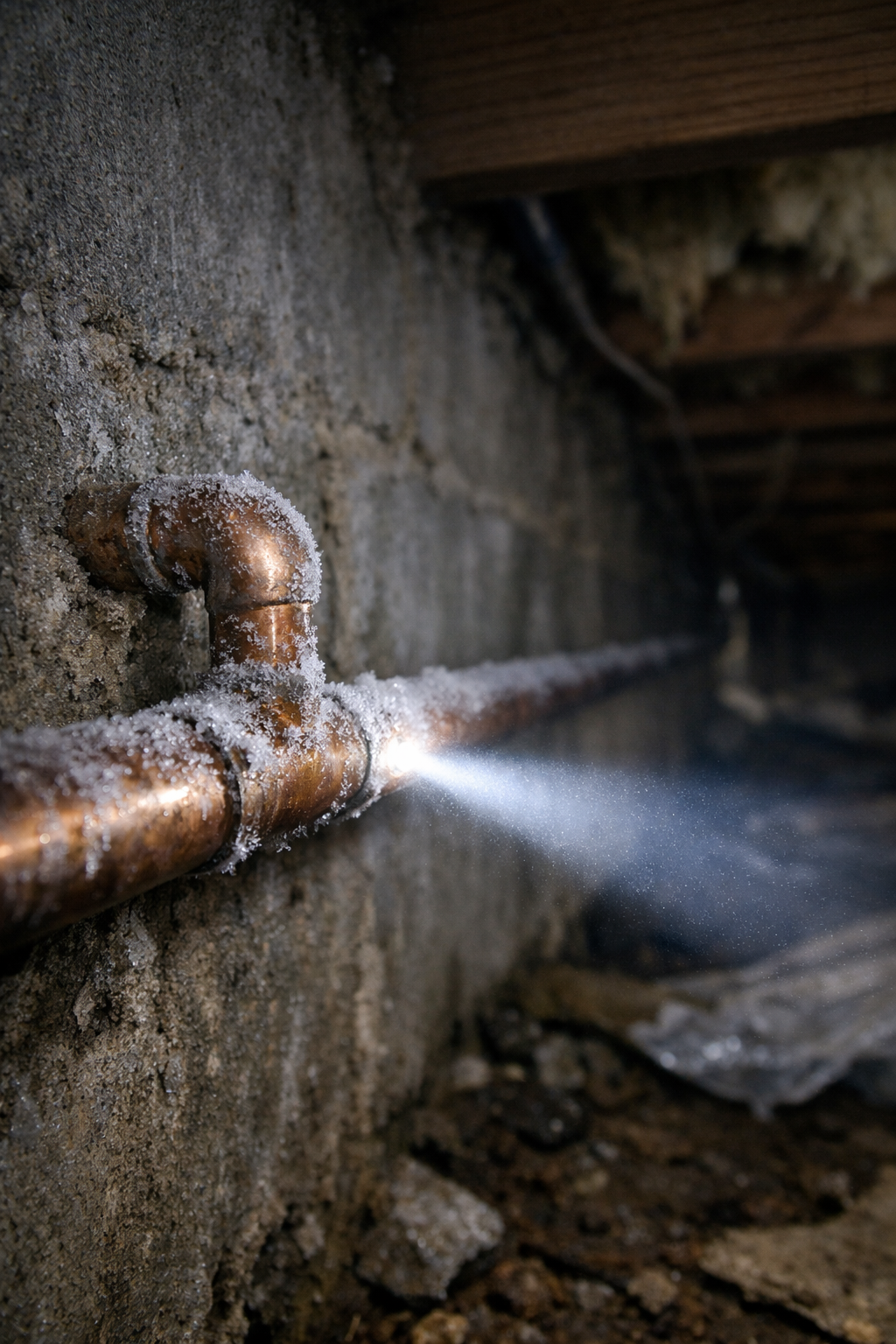
When the water inside a pipe freezes, it expands — roughly 9% in volume. That expansion isn’t what breaks the pipe directly; what breaks it is what happens on the other side of the ice blockage, toward a closed faucet. As the ice plug grows, it continues to push water in both directions, but the direction toward the closed tap has nowhere to go. Pressure builds in that trapped section until something gives, and it’s usually not at the ice itself — it’s a split somewhere along the pipe wall between the blockage and the fixture, sometimes several feet away from where the actual freeze is.
Which pipes are actually at risk
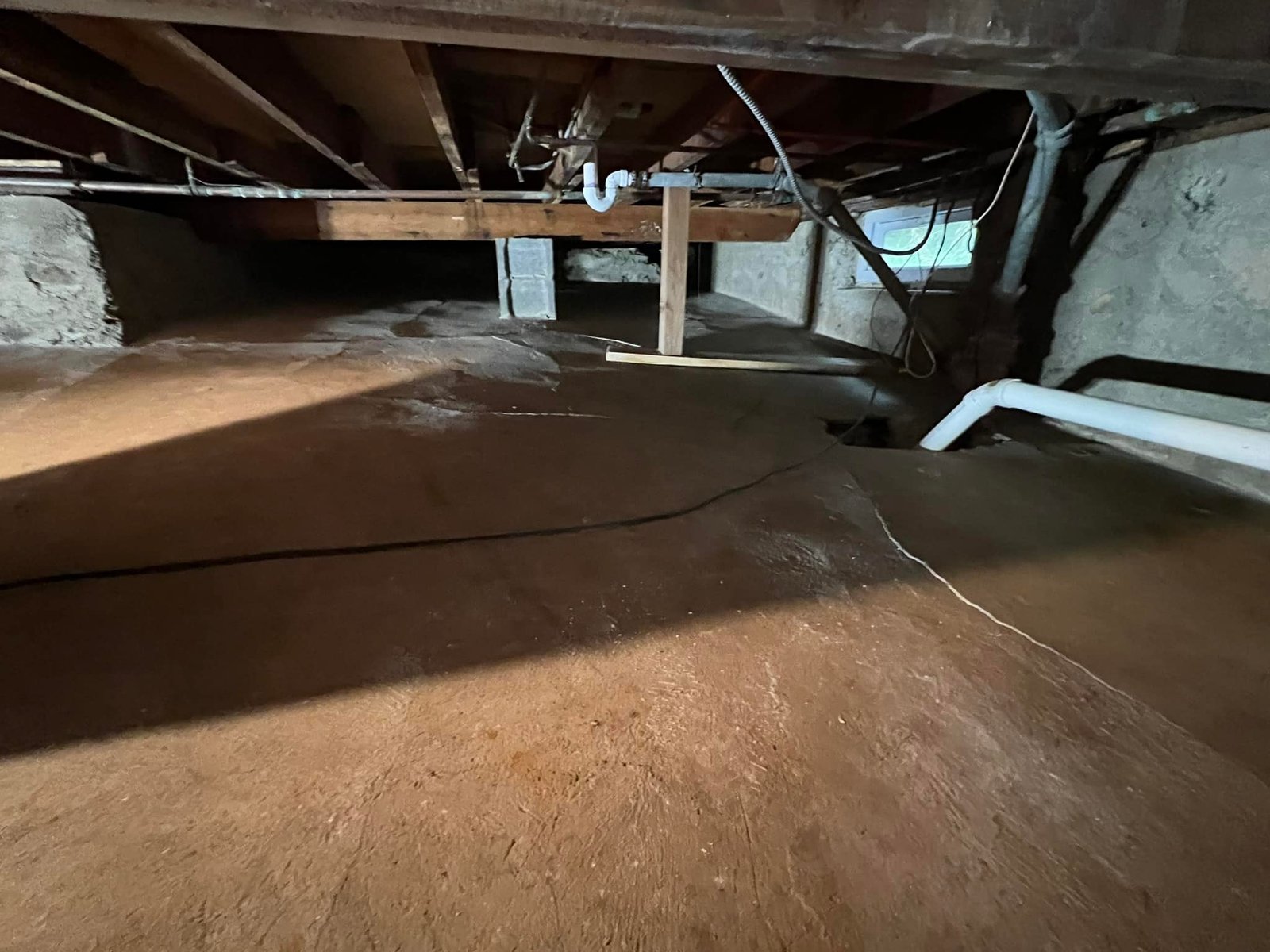
Pipes running through unheated or minimally-heated spaces are the ones that matter: an exterior wall (especially on the north or windward side), a crawl space, an unheated garage, an attic, or a basement rim joist area where cold air leaks in. A pipe buried inside interior walls, surrounded by heated living space on both sides, almost never freezes — it’s specifically the ones exposed to outdoor-adjacent cold that need attention.
The free trick that works tonight
Let the faucet on a vulnerable line run a slow, steady trickle during a hard freeze. This isn’t about keeping the pipe “warm” — moving water resists freezing far better than standing water, and just as importantly, an open faucet means there’s nowhere for pressure to build even if ice does start to form somewhere along the line. It costs a few cents in water and it’s the single most effective thing you can do with zero prep, the same night a hard freeze is forecast.
A second quick move: open the cabinet doors under any sink that sits on an exterior wall. It sounds too simple to matter, but it lets the house’s ambient heat actually reach the pipe instead of being blocked by the cabinet.
The fix that lasts beyond one cold night
Foam pipe-insulation sleeves are cheap (a few dollars per 6-foot length at any hardware store), slide right over exposed pipe, and are a genuinely easy DIY wrap — no tools beyond scissors and maybe some tape at the seams. For pipes in a particularly exposed crawl space or unheated garage, heat tape (a thermostatically-controlled heating cable wrapped around the pipe before the foam sleeve goes over it) adds real protection for the coldest nights, though it’s an ongoing electrical cost, not a one-time fix. For a home with a known recurring freeze problem in one specific run of pipe, re-routing that section through heated space during a future renovation is the permanent answer — worth flagging to whoever’s doing the work if you’re already opening that wall.
If a pipe has already frozen
Never use an open flame (propane torch, etc.) to thaw a pipe — it’s a serious fire risk, especially near wood framing, and it’s how a frozen-pipe problem turns into a house fire. A hair dryer on low, held a few inches away and moved continuously along the pipe starting from the end nearest the open faucet, is the safe way to thaw it gradually. Know where your main water shutoff valve is before you need it — if a pipe has already split and you’re dealing with an active leak, shutting off the main is the first move, not finding the leak.
Not sure if a pipe’s at risk, or already dealing with one?
Send me a photo of the pipe and where it runs, and I’ll tell you whether it needs insulation, a trickle tonight, or something more. A written diagnostic with the specific read, $19.99, back to you in minutes.