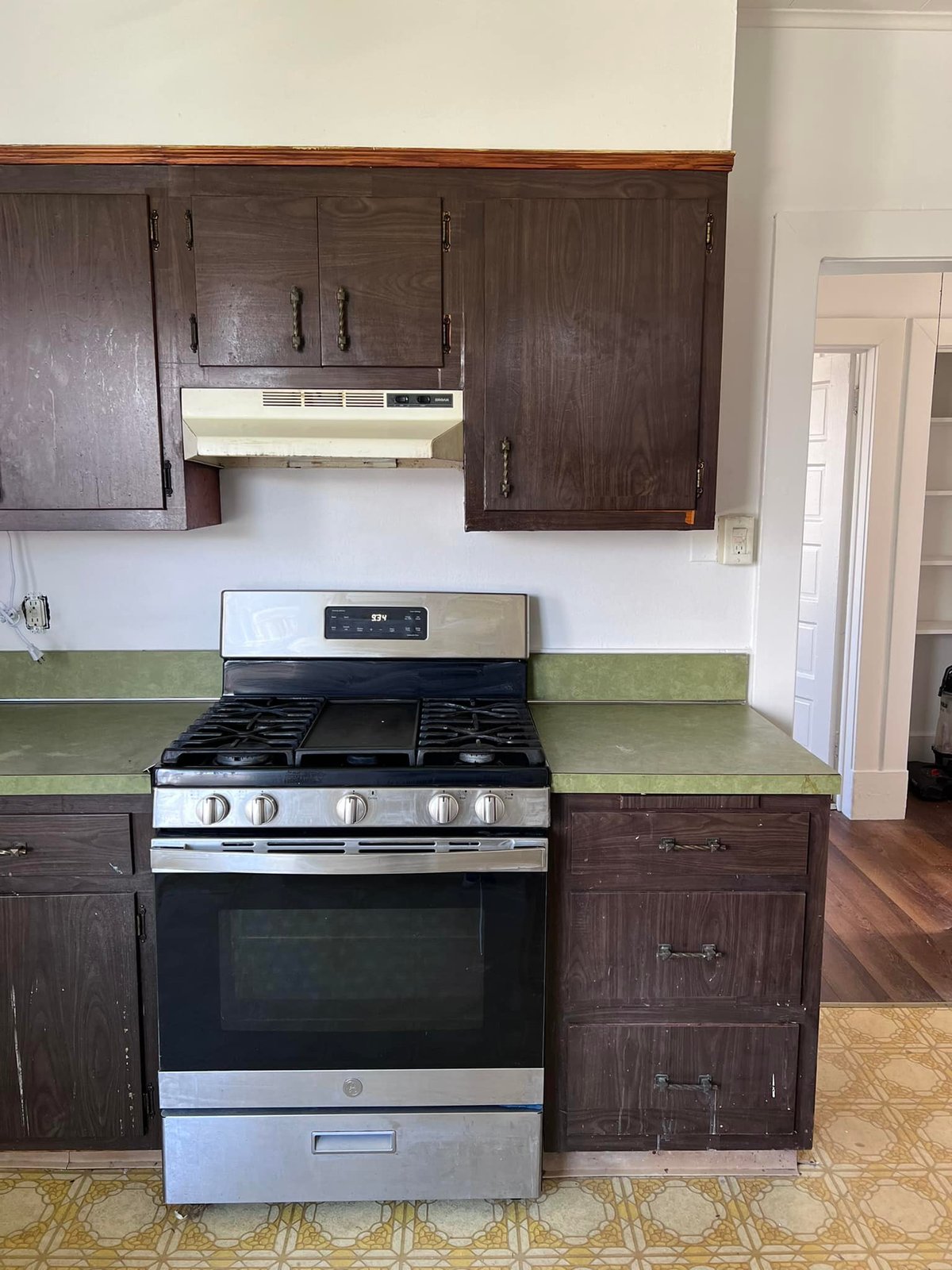
You open the kitchen cabinets and they just look tired — dinged doors, a finish that’s dated or dull, hardware that’s seen twenty years of hands. The number that pops into your head is a full remodel: rip it all out, start over. Most of the time that’s overkill. Cabinets fail in layers — finish, then doors, then the boxes themselves — and which layer you’re actually dealing with determines whether you’re looking at a few hundred dollars or a five-figure job.
Here’s how to tell which layer you’re on.
The three options, in order of cost
Refinish: sand and re-stain or paint the existing doors and boxes in place. Cheapest option by far, and it only works when what’s under the old finish is solid wood you actually want to keep the shape of.
Reface: keep the cabinet boxes exactly where they are, replace the doors and drawer fronts, and apply new veneer to any exposed box faces. Mid-cost. This is the move when you don’t like how the doors look or the layout is fine, but you want a real style change without touching plumbing, electrical, or the layout.
Replace: full demo and new boxes. Most expensive, and only actually necessary in a specific set of situations — not just “these look old.”
Sign 1: solid wood but a tired finish — refinish
Open a door and look at the edge, or check underneath for a stamp. If the doors and face frames are solid wood (not laminate, not thermofoil, not printed melamine), a professional refinish can strip the old finish, repair minor dings, and put on a fresh stain or paint in a color you actually like. This is a few days of work and a fraction of new cabinets, and it keeps a layout you already know works.
Sign 2: solid boxes, doors or style you don’t want — reface
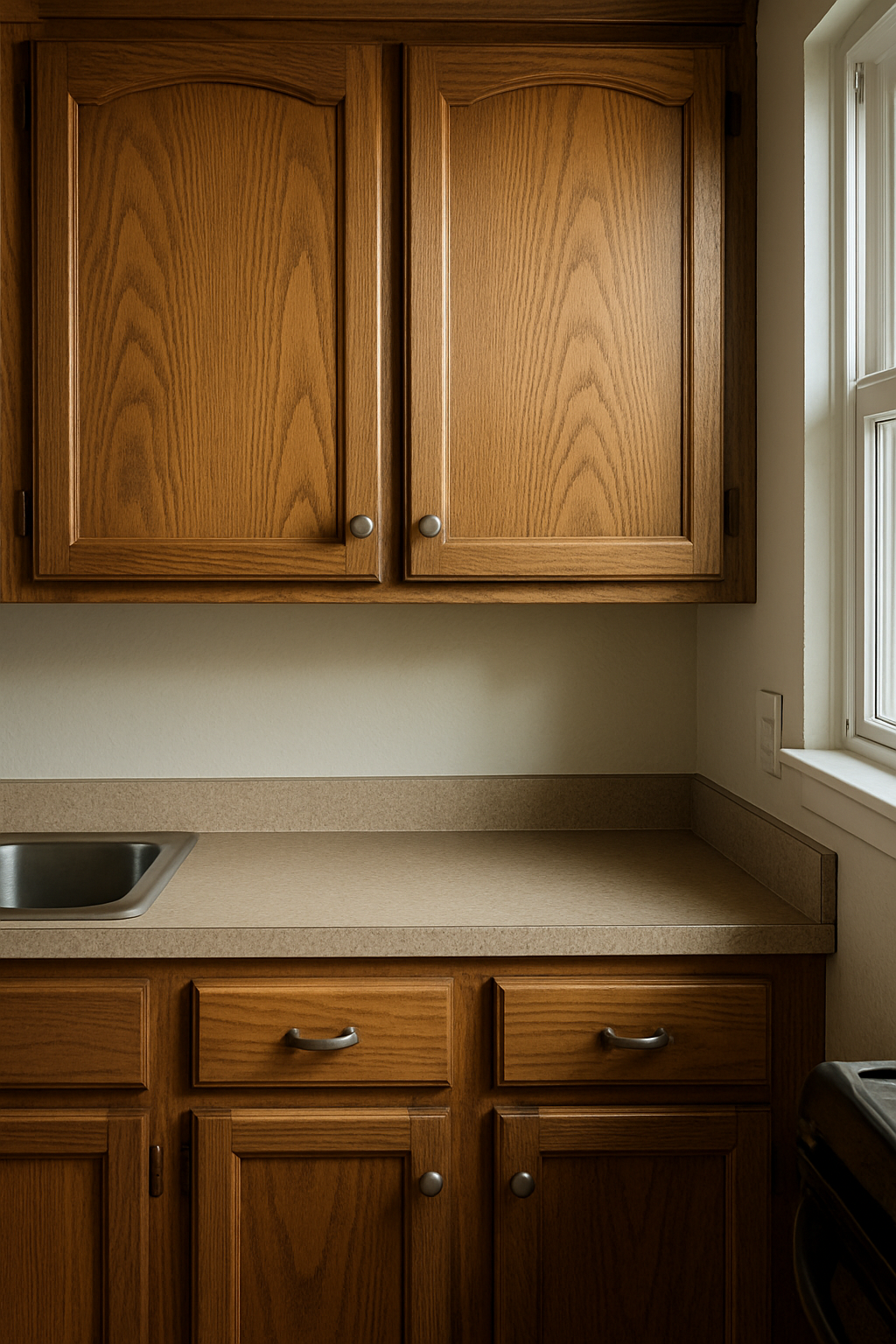
If the boxes check out structurally (see the test below) but you hate the door style, the color’s stuck in a previous decade, or you want to go from oak to a modern shaker profile, refacing gets you a genuinely different-looking kitchen without moving a single box. New doors, new drawer fronts, veneer over the exposed ends and face frames. It’s not cheap, but it’s typically 30–50% of a full gut.
Sign 3: soft, swollen wood under the sink — replace
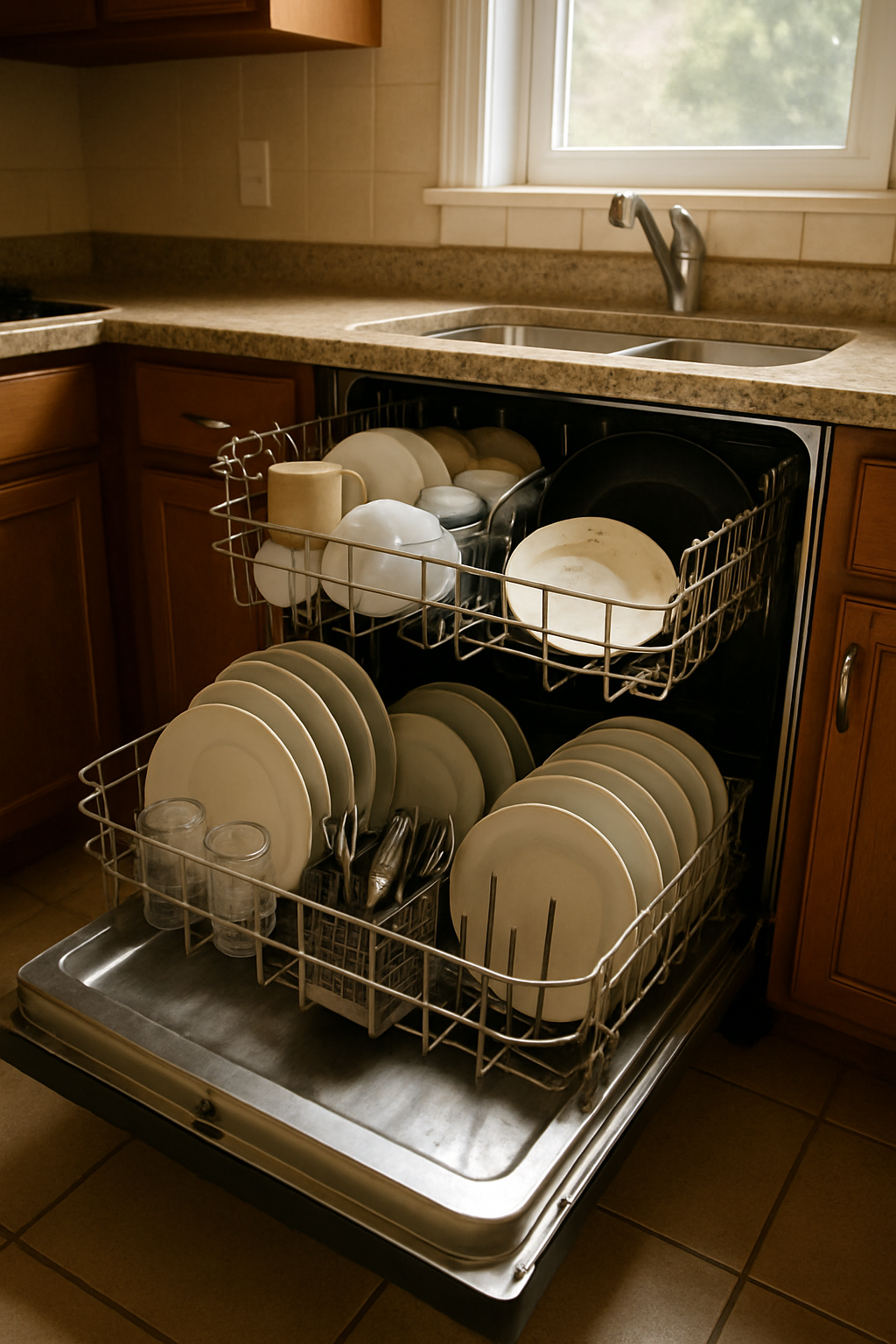
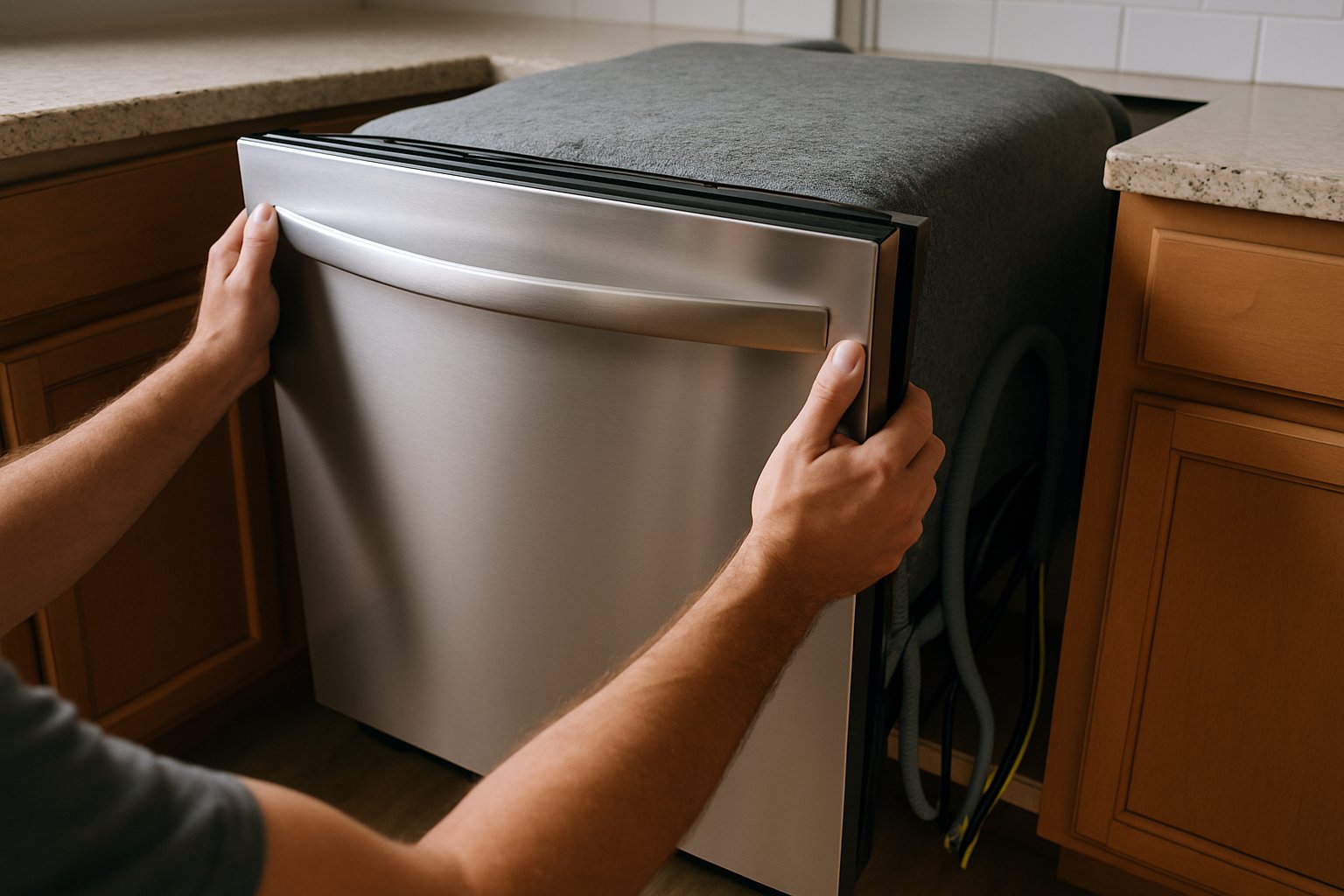
Here’s the test that actually matters: open the cabinet under the sink and the one next to the dishwasher, and press on the bottom panel and the sides near the floor. If it’s soft, swollen, dark, or crumbly, that’s water damage — usually a slow drip from a supply line or a dishwasher seal that’s been going on for a while. Particleboard, which most cabinet boxes are built from even under a nice wood veneer, doesn’t recover from water. It swells, delaminates, and loses all structural integrity. Refacing over a damaged box just hides a problem that’s still there. If the damage is isolated to one or two cabinets, sometimes just those boxes can be swapped — but if it’s widespread, or you’re changing the layout (moving the sink, adding an island, changing wall configuration), that’s when full replacement is genuinely the right call, not just the default one.
The decision, simply
Refinish if the boxes and doors are solid wood and you just want a fresher look in the same style family. Reface if the boxes pass the water-damage test but you want different doors or a real style change. Replace if you find soft or swollen wood in the water-test check, or if you’re changing the kitchen’s actual layout.
DIY or not
Refinishing doors yourself is doable if you have a place to spray or brush them and the patience to do multiple thin coats — it’s the most DIY-friendly of the three. Refacing is usually done by a specialist crew because the veneer and new doors need to be measured and cut precisely to your existing boxes. A full replacement is a multi-trade job (carpentry, sometimes electrical and plumbing) that’s rarely a solo project.
Not sure which one you’re looking at?
Send me photos of your cabinet doors, the boxes under the sink and near the dishwasher, and tell me what you don’t like about the current setup. I’ll tell you whether you’re looking at a refinish, a reface, or the layout genuinely needs to change — a written diagnostic with the specific plan and honest cost, $19.99, back to you in minutes.