Window replacement is one of the most oversold projects in all of home improvement. The pitch is always the same: your old windows are bleeding energy, new ones will pay for themselves in savings, sign here. And for a whole-house replacement that runs $10,000 to $30,000, that pitch is mostly wrong.
I’ve replaced windows and I’ve saved windows, and the deciding factor is almost never the one in the sales brochure. Here’s how I actually think about it.
Start here: the energy payback rarely works on its own
Run the math honestly. Replacing all the windows in an average house to save on heating and cooling typically takes 20 to 40 years to pay back in energy savings — which is right at or beyond the lifespan of the new windows themselves. The savings are real, but they’re small relative to the enormous cost of full replacement.
That doesn’t mean never replace. It means replace for the right reasons — rot, broken operation, comfort, noise, security, or the windows are just shot — and treat any energy savings as a bonus, not the justification. The moment a salesperson leads with “they’ll pay for themselves,” you know more than they’re giving you credit for.
Here are the situations that actually do or don’t justify it.
Sign 1: Fogged or cloudy glass — fix the glass, not the window
If a double-pane window has gone foggy or cloudy between the panes, the seal has failed and the insulating gas has leaked out. This looks like a dead window. It is not.
In most cases you can replace just the insulated glass unit (the sealed double-pane “IGU”) and keep the existing frame and sash. That’s a fraction of the cost of a whole new window — sometimes $150-$300 versus $800-$1,500 installed. Get the glass measured and reordered before anyone sells you a new window because of fog.
Sign 2: Drafts — air-seal before you replace
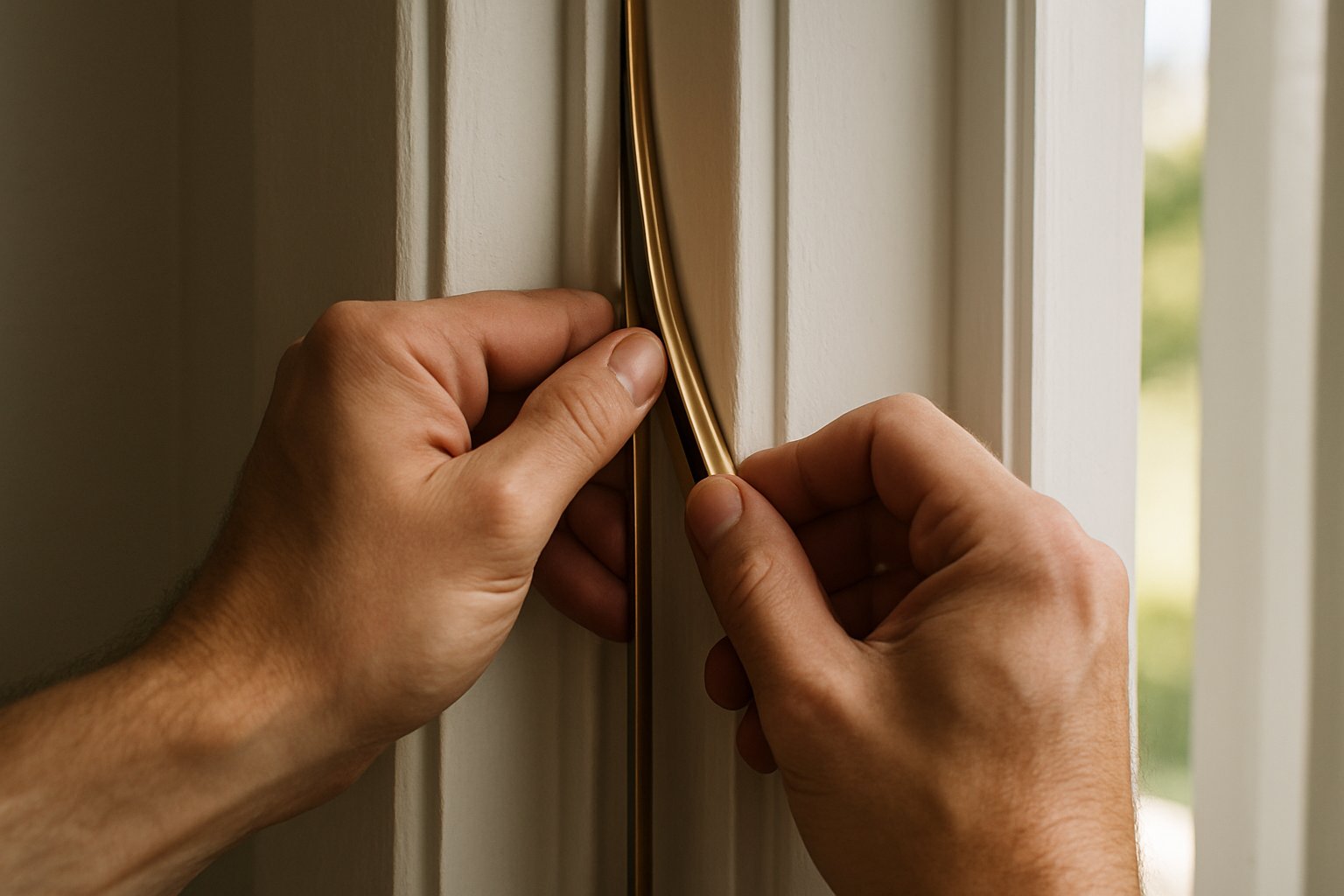
A cold draft near a window feels like the window failing. Usually it’s not the window — it’s the gaps around it: failed weatherstripping where the sash meets the frame, and failed caulk and missing insulation where the frame meets the wall.
Air-sealing a drafty window — new weatherstripping, fresh caulk, and (if the trim comes off) low-expansion foam in the gap around the frame — costs $20-$50 a window and kills most of the draft. Do that first. If it’s still drafty after a proper air-seal, then talk about replacement. Most of the time you won’t need to. (I wrote a whole guide on weatherstripping doors and windows if you want the step-by-step.)
Sign 3: Rot or broken operation — and this depends on what you have
A window that won’t open, won’t stay up, or has a rotted sash or sill is a real problem. What you do about it depends entirely on what kind of window it is:
- Old quality wood windows (common in pre-1960 houses) are genuinely worth saving. The wood is old-growth, the parts are repairable, and a sash cord, a little epoxy consolidation on a rotted sill, or new sash hardware brings them back. People pay extra for these; don’t throw them out.
- Cheap vinyl or aluminum windows that have failed are usually not worth repairing — the parts aren’t stocked, the frames aren’t serviceable, and replacement is the move.
So “it’s rotted” leads to repair on a good wood window and replacement on a bad vinyl one. Identify what you’ve got before you decide.
Sign 4: Single-pane — storms and inserts get you most of the way
If you have true single-pane windows and you’re feeling the cold, you have a cheaper path than replacement: exterior storm windows or interior storm inserts. A good storm window over a single-pane gets you roughly 80% of the comfort and efficiency benefit of a full replacement for about 20% of the cost — and on an old house, it lets you keep the original windows, which is often the better look and the better value.
Sign 5: It’s genuinely just time
Sometimes the honest answer is yes. If the windows are cheap builder-grade units that are failing across the board, painted shut, foggy, drafty after sealing, and you hate looking at them — replacement is reasonable. Just go in knowing you’re buying comfort, looks, and operation, not a fast energy payback.
One safety flag: lead paint
If your house was built before 1978, the paint on and around old windows very likely contains lead, and window friction surfaces are one of the worst places for it — that’s where the dust gets made. Sanding or disturbing it without proper containment is a real hazard, especially with kids in the house. For pre-1978 windows, this pushes a lot of DIY toward hiring an RRP-certified contractor, or at minimum doing the containment right.
How to apply this
- Foggy glass? Reorder the glass unit, not the window.
- Drafty? Air-seal first — weatherstrip, caulk, foam. It fixes most drafts for $30.
- Rotted or stuck? Repair good wood, replace bad vinyl.
- Single-pane and cold? Price storm windows before full replacement.
- Ignore “it pays for itself.” Replace for comfort and condition, not the energy pitch.
Want a read on your windows?
If you’ve got a window-replacement quote or a window you’re not sure is worth saving, send me three photos for a $19.99 diagnostic report — a wide shot of the window, a close-up of any fog, rot, or gap, and a shot of the frame-to-wall trim.
I’ll tell you whether you’re looking at a $200 fix or a real replacement, and which of the cheaper paths applies to your house.
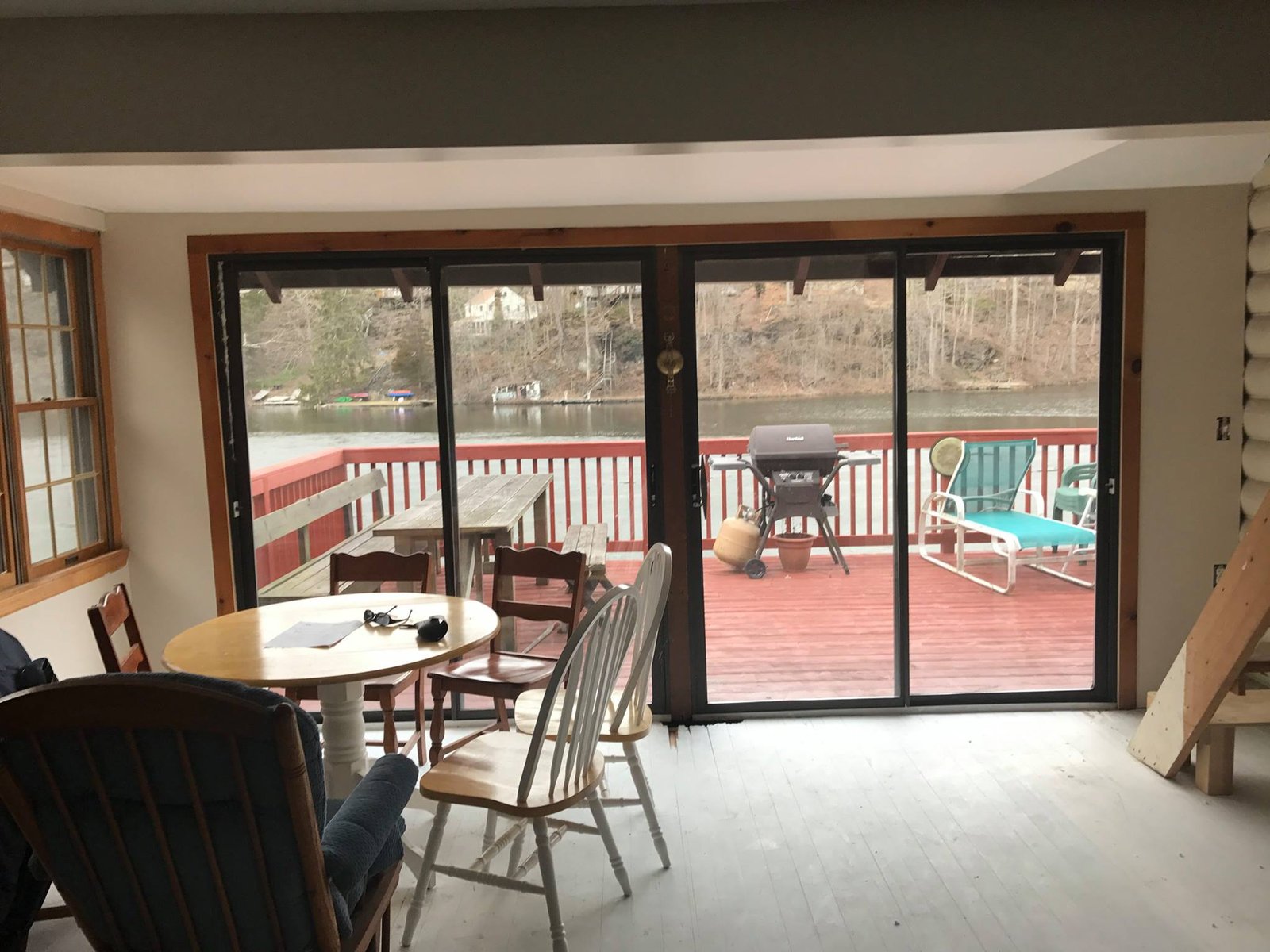
You can also see window and door work I’ve done — from saving old wood sash to swapping out failed sliders.
The expensive version of the window project is replacing everything because of a sales pitch. The cheap version is fixing the three windows that actually have a problem.