A persistent smell you can’t locate is one of the most frustrating problems in a house. You walk into a room, smell something — musty, sweet, sour, chemical — and within an hour you can’t smell it anymore (because your nose normalizes). Nothing visible explains it. Nothing changes when you clean.
Mystery smells are diagnostic puzzles. The smell is information — what kind, where it’s strongest, when it shows up. Most fall into one of four categories with predictable causes. Here’s the investigation sequence.
The Four Categories of Smell
Musty / earthy / “basement” smell: Almost always moisture. Mold, mildew, water-damaged drywall or insulation. Usually means there’s been a slow leak for weeks or months somewhere.
Sweet / chemical / “burning”: Could be electrical (overheated wiring or outlet), HVAC (something cooking on the heat exchanger), or off-gassing from new materials. The “burning toast” smell from electrical issues is actually a real warning sign.
Sour / rotting / “garbage”: Organic decomp. Could be a dead animal in the wall, food trapped in a disposal or trap, sewer gas, or wet/spoiled material.
Sulfur / “rotten egg”: Most concerning — this could be a gas leak (mercaptan added to natural gas smells like rotten egg). Could also be sewer gas (sulfur compounds from drains). Distinguish by location and timing.
Identifying the category narrows the search dramatically.
Step 1: Map Where and When
Before investigating, get systematic. For 2-3 days, walk the house at different times and note:
- Which rooms smell strongest?
- What time of day is the smell worst?
- What season or weather affects it? (Damp days = moisture-related; cold days = HVAC-related; calm-air days = ventilation-related)
- What recent activity preceded the smell? (Dishwasher running, AC cycling, recent rain, recent cleaning)
A smell that’s worst in the basement after rain points to one source. A smell that’s worst in a bedroom at night when the AC is running points to another. The pattern matters.
Step 2: Investigate by Category
Musty / Earthy
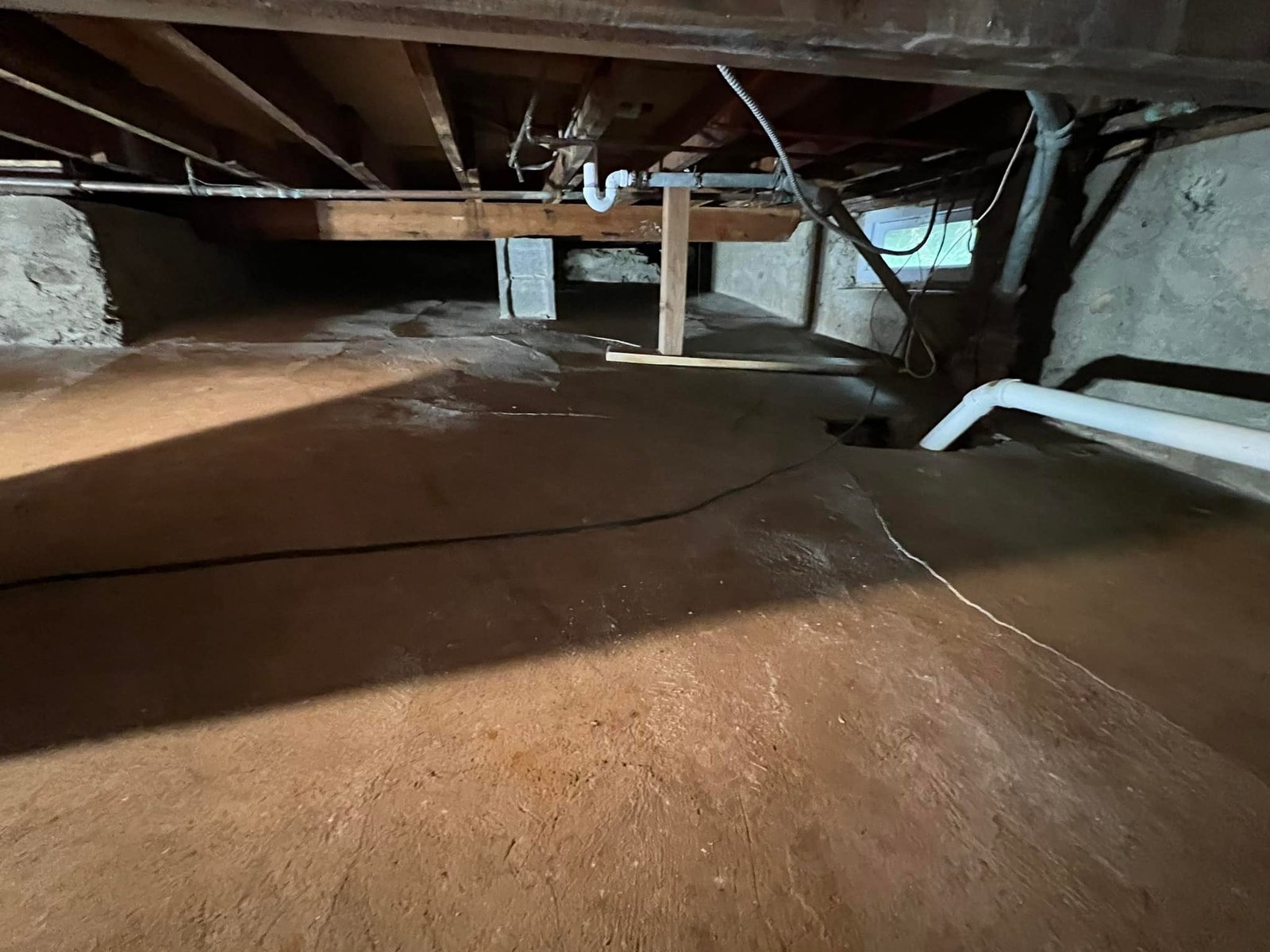
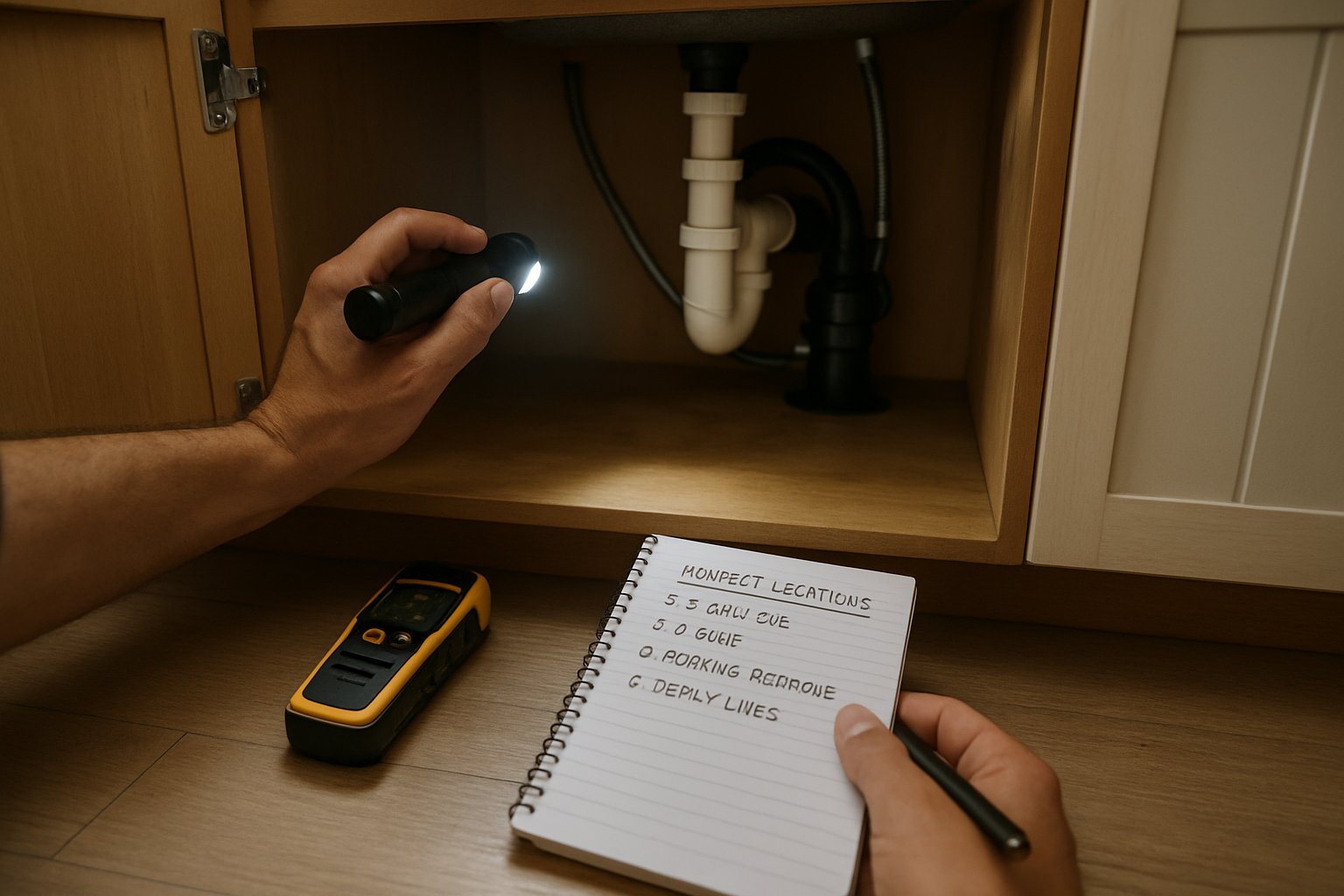
Start in the basement, crawl space, or lowest floor. Walk the perimeter with a flashlight.
- Look for water staining on walls, floor, or stored items.
- Check the base of every plumbing fixture for slow leaks.
- Look at the bottom 2 feet of any basement wall for efflorescence (white mineral deposits — water has been moving through the masonry).
- Check sump pits — pumps that aren’t running often, or pits that hold standing water, grow mold.
- Pull a moisture meter ($20 at hardware stores) from cabinets in suspect areas — anything reading over 20% wood moisture is too wet.
- Check the HVAC system’s drain pan and condensate line — clogged condensate pans grow algae and stink up the whole house when the AC runs.
- In the attic, look for water staining or visible mold on rafters.
If musty smell + visible water = roof leak or plumbing leak; trace and fix. If musty smell + no visible water = check HVAC, especially condensate.
Chemical / Burning
If you smell anything like burning plastic or burning electrical, treat it as urgent.
- Walk to every outlet, switch, and major appliance and smell the area immediately around it. Often you can locate an overheating outlet by the smell.
- Check the breaker panel — open the cover and look (and smell) at the bus bars and breakers. If anything is hot to the touch or shows discoloration, kill the main and call an electrician.
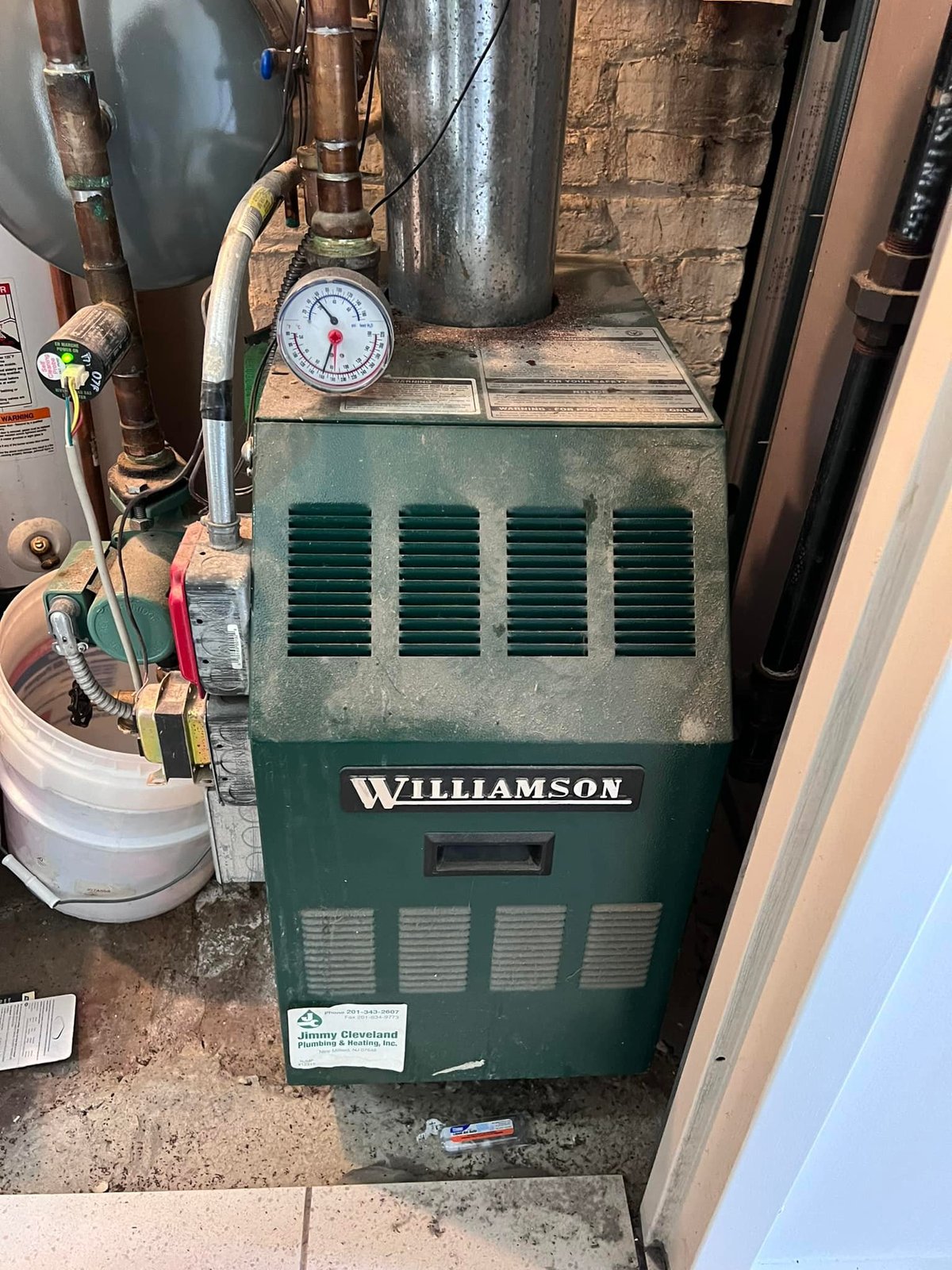
- Pay attention to the HVAC system when it cycles on. New furnaces sometimes smell like burning during the first heating cycle of the season (dust burning off heat exchanger — normal). Persistent burning smell during operation = call a pro.
- For “new house” chemical smells (off-gassing from carpet, paint, or laminate flooring), increase ventilation; smells fade over weeks to months.
If you smell burning AND see warm/hot outlets or panel components, kill power to that area and call an electrician immediately.
Sour / Rotting
- Open every drain trap in the house — smell each one. P-traps that haven’t been used in weeks dry out and let sewer gas back up. Run water in unused drains weekly.
- Pull the dishwasher’s filter — food traps below the bottom rack hold rotting debris.
- Check the disposal — drop ice and a sliced lemon in, run for 10 seconds. If smell persists, the disposal needs deeper cleaning.
- In the wall, attic, or basement — dead animals (mice, squirrels, birds) that died inside a wall cavity decompose for weeks. The smell starts strong, peaks at 1-2 weeks, fades over a month. If you can localize it to a specific area of wall, the only fix is cutting open the wall to remove the source.
- Garbage disposal AND dishwasher — both share a drain and air gap. A failed air gap traps food.
- Refrigerator drain pan — pulls condensate into a hidden pan under the unit. Pull the front grille every few months and clean it.
Sulfur / Rotten Egg
Two possibilities, very different urgency:
- Natural gas leak: Smell concentrated near gas appliances (range, furnace, water heater) or near gas piping. Leave the house and call your gas utility immediately — most have 24-hour emergency lines.
- Sewer gas: Smell is concentrated in bathrooms, near unused drains, or in the basement. Less urgent but unhealthy. Usually a dried trap, broken vent stack, or unsealed cleanout. Identify the source (run water, smell again) and fix specific issue.
Step 3: Use Tools to Confirm
Moisture meter ($20): Reads % moisture in wood and drywall. Anything over 20% indicates active or recent water.
Cheap hygrometer ($15): Reads relative humidity. Indoor humidity over 60% promotes mold growth even without leaks.
CO detector with digital readout ($30): Some smells correlate with elevated CO. A digital readout shows current PPM (should be under 9).
Phone camera in the attic, basement, and crawlspaces: Photograph everywhere — review on a big screen later. Often you’ll see damage patterns that weren’t obvious to the eye in dim light.
Common Mistakes
- Masking before diagnosing. Plug-in air fresheners, cleaning sprays, and candles cover the smell but mask the diagnostic signal. Stop using them while you’re investigating.
- Assuming it’s mold without testing. Many musty smells are dried-out condensate or stale air, not mold. Test moisture before assuming.
- Calling a contractor without knowing what you’re paying for. “Find the smell” jobs are open-ended and expensive. Always do the basic investigation yourself first so you can describe the symptoms specifically when calling for help.
- Ignoring a sweet smell from outlets. That’s overheating wire insulation. It will progress to fire if not addressed.
- Treating sewer smell with bleach poured down the drain. Bleach kills bacteria in the trap (which is bad — the bacteria are what eat the residue). Just run water to refill the trap.
When to Call a Pro
- Persistent gas smell — utility, today.
- Burning electrical smell that doesn’t resolve when you turn off all loads — electrician, today.
- Visible mold over 10 sq ft — mold remediation specialist (smaller areas are DIY-cleanable with bleach).
- Smell you’ve localized to a specific wall or ceiling cavity that you can’t access — usually a contractor to cut, find, and patch.
- Mystery smell that persists after thorough investigation — building science / IAQ (indoor air quality) consultant. They have thermal cameras and PID instruments to find sources you can’t smell.
Frequently Asked Questions
How long can a dead mouse smell last in a wall? Peak smell at 7-14 days, fading over 4-6 weeks total. If you can wait it out, it’ll dissipate. If you can’t or it’s in a high-traffic area, the wall has to be opened to remove the carcass.
Can ozone generators eliminate smells? They can mask many smells but they don’t fix the source. Ozone at high enough concentrations to be effective is also harmful to humans and pets. Use only if you can vacate the house for 24+ hours during treatment.
My HVAC ducts smell musty when the system kicks on. What do I do? First, change the filter (if it’s wet, that’s your source). Then have a pro inspect the evaporator coil — most musty HVAC smells come from biofilm on the coil, which a tech can clean with a coil cleaner.
Is “old house smell” actually a thing? Yes — usually a combination of accumulated household dust, off-gassing from old materials (formaldehyde from older plywood), and residual moisture in framing. Air sealing, ventilation upgrades, and dehumidification reduce it dramatically.
The Bottom Line
Mystery smells aren’t actually mysterious — they’re just unidentified. Map where and when, categorize by smell type (musty / chemical / sour / sulfur), then investigate the predictable causes for that category. The investigation itself is free; the wrong contractor visit is not.
For the full diagnostic flowchart with every category, every cause, and the order of investigation, see Diagnose a Mystery Smell.
For complex or multi-source smell problems where DIY investigation isn’t getting traction, send your photos for a $19.99 diagnostic report.