Wet basement contractors love a desperate homeowner. The standard pitch is interior drain tile and a sump system for $12,000–$20,000. Sometimes that’s the right fix. Often it isn’t — because the water isn’t coming in the way they assumed.
Before spending five figures, spend an afternoon figuring out which of four categories of water problem you actually have. Each one has a different fix, and three out of the four are dramatically cheaper than the contractor pitch.
The Four Categories
1. Surface water — water from rain, snowmelt, or downspouts pooling against the foundation and seeping in through cracks. Cheapest to fix. Usually solved by improving grading and downspouts ($200-$2,000).
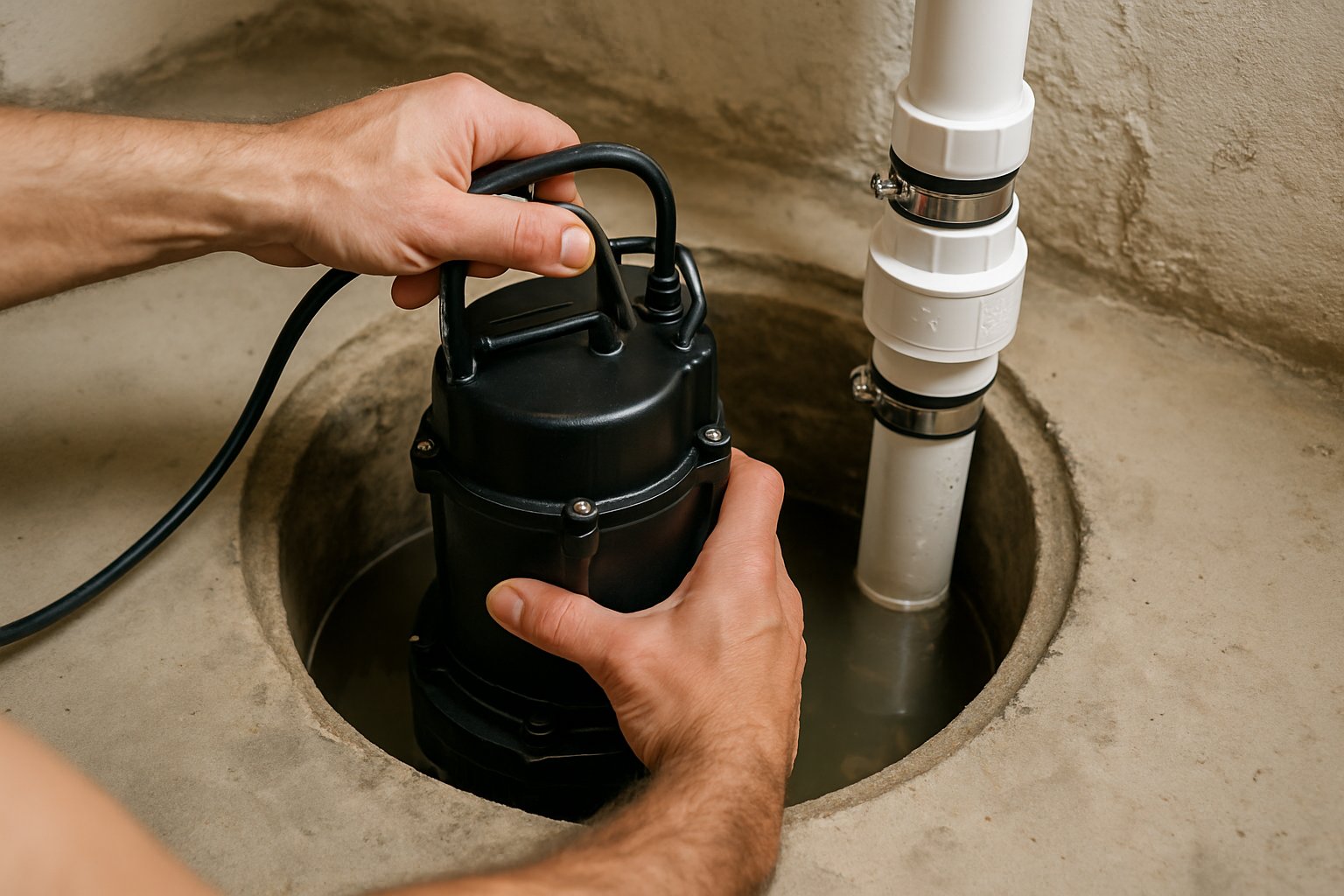
2. Subsurface / groundwater — high water table pushing water up through the basement floor or through wall cracks. Requires interior drain tile + sump pump system ($8,000-$20,000).
3. Plumbing leak — supply line, drain, or fixture leaking inside the basement. Looks like ground water but isn’t. Fix the leak ($100-$1,000).
4. Condensation — humid air hitting cold basement walls and condensing as water. Looks identical to seepage but is fundamentally different. Fixed with dehumidification + insulation ($300-$1,500).
Mixing these up is what gets people sold the wrong solution.
How to Tell Which You Have
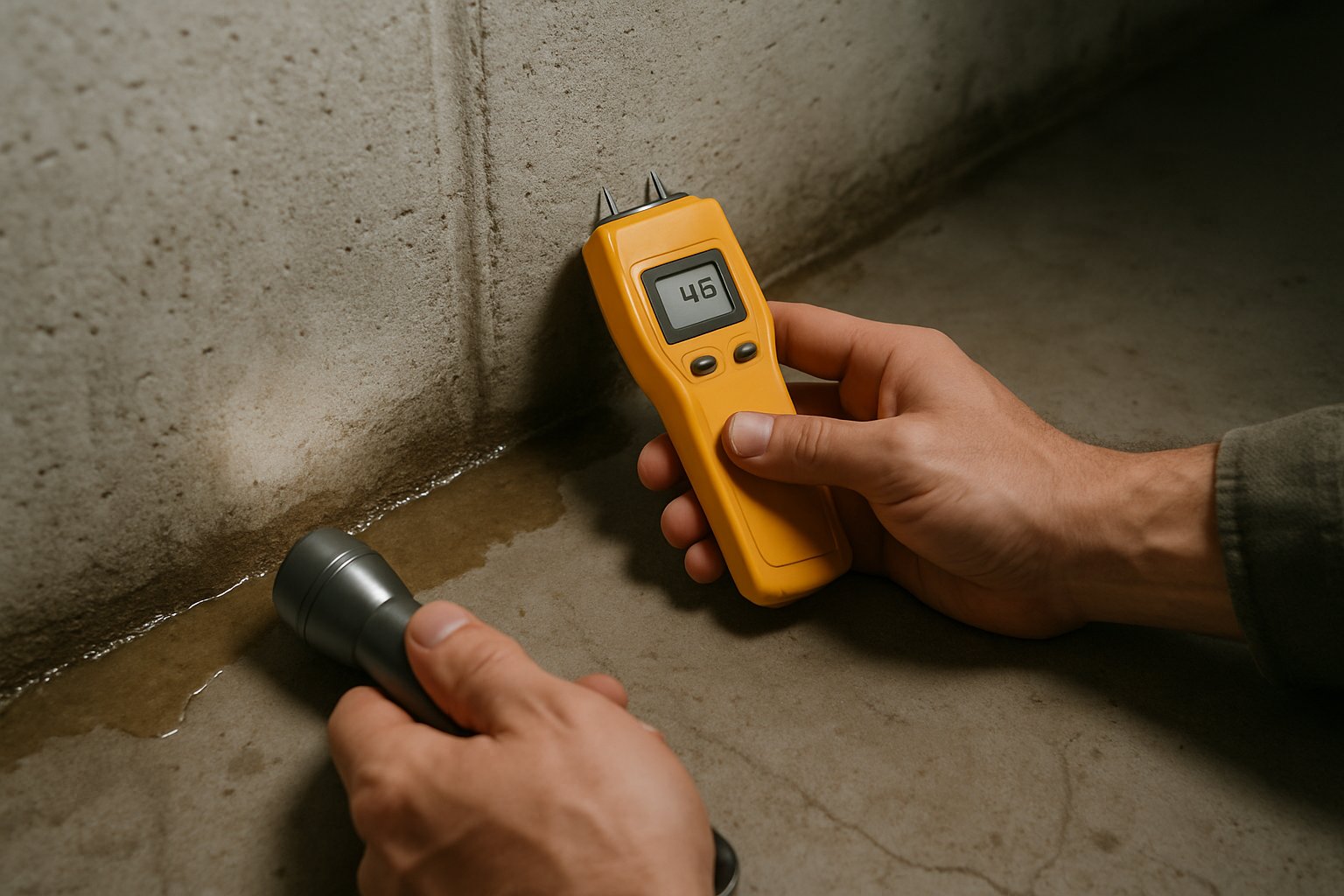
Test for condensation: Tape a 12×12 inch square of plastic (heavy-duty trash bag) to the suspect wet area. Seal all four edges with painter’s tape. Wait 48 hours.
- Water on the OUTSIDE of the plastic (room side) = condensation. Air is humid; wall is cold; condensation forms on the cold surface.
- Water on the INSIDE of the plastic (wall side) = water penetrating from outside. Surface or subsurface water.
- Both sides = both problems.
Test for surface vs. subsurface: Watch the timing of water appearance.
- Wet only after heavy rain, dries within 1-2 days = surface water.
- Wet during/after rain AND during dry weather (especially spring) = subsurface or seasonal water table.
- Wet at consistent times unrelated to weather = could be plumbing.
Trace plumbing leaks: Walk the basement perimeter looking for water coming from above (a leaking supply line in the wall) or staining on the underside of fixtures. Distinguishes plumbing from foundation water.
The Cheap Fixes (Surface Water)
Before paying for interior drain tile, address these:
Grading: Soil should slope AWAY from the foundation at least 6 inches over the first 10 feet. If it doesn’t, water pools at the foundation. Add fill and grade outward.
Downspouts: Each downspout should discharge water at least 6 feet from the foundation, ideally onto a downward slope. Cheap extensions ($10 each) or splash blocks ($5) handle this. Underground drain extensions are even better.
Window wells: Should have gravel at the bottom and a clear drainage path. Wells full of leaves and dirt collect water and direct it into the basement.
Foundation cracks: Hairline cracks let water through. Inject with hydraulic cement or polyurethane crack-injection from inside ($50-$200 DIY, $400-$800 pro).
These four steps fix probably 60% of “wet basement” complaints. Try them BEFORE getting waterproofing quotes.
When You Actually Need Interior Drain Tile
If after grading, downspouts, window wells, and crack injection — water still comes up through the floor or seeps through the wall-to-floor joint during dry weather, you have a real water table or hydrostatic pressure problem. Interior drain tile + sump is the right fix.
This is contractor work, not DIY. Get 3 quotes. Be skeptical of any quote that doesn’t first ask about your grading and downspouts (a contractor who skips the cheap fixes is selling, not solving).
Common Mistakes
- Jumping to interior drain tile without trying surface fixes first. Often a $100 grading fix is misdiagnosed as a $15,000 problem.
- Treating condensation like seepage. Won’t be fixed by drain tile or wall sealants. Needs dehumidifier + insulation.
- Painting basement walls with “waterproofing paint.” Doesn’t stop water under hydrostatic pressure. Bubbles and peels within a year. Total waste of money for actual seepage.
- Sealing a foundation crack from the inside without checking the outside cause. The crack is a symptom; if water is still pushing on it, it’ll find another path.
When to Call a Pro
- After you’ve tried grading, downspouts, and crack injection and water still comes in
- When you see horizontal cracking in foundation walls (potential structural issue)
- When water is coming from multiple locations simultaneously (often water table)
- For mold remediation if the water has been there long enough to grow visible mold
The Bottom Line
A wet basement is solvable, but the solution depends entirely on which of the four categories you have. The plastic-square test takes 48 hours and tells you whether you have condensation. The timing test tells you surface vs. subsurface. The cheap fixes solve most problems. Skip them at your own (financial) peril.
For the full diagnostic flowchart, every category, and the contractor evaluation criteria, see Diagnose a Wet Basement.
For an unbiased second opinion before you sign a five-figure waterproofing contract, send your photos for a $19.99 diagnostic report.