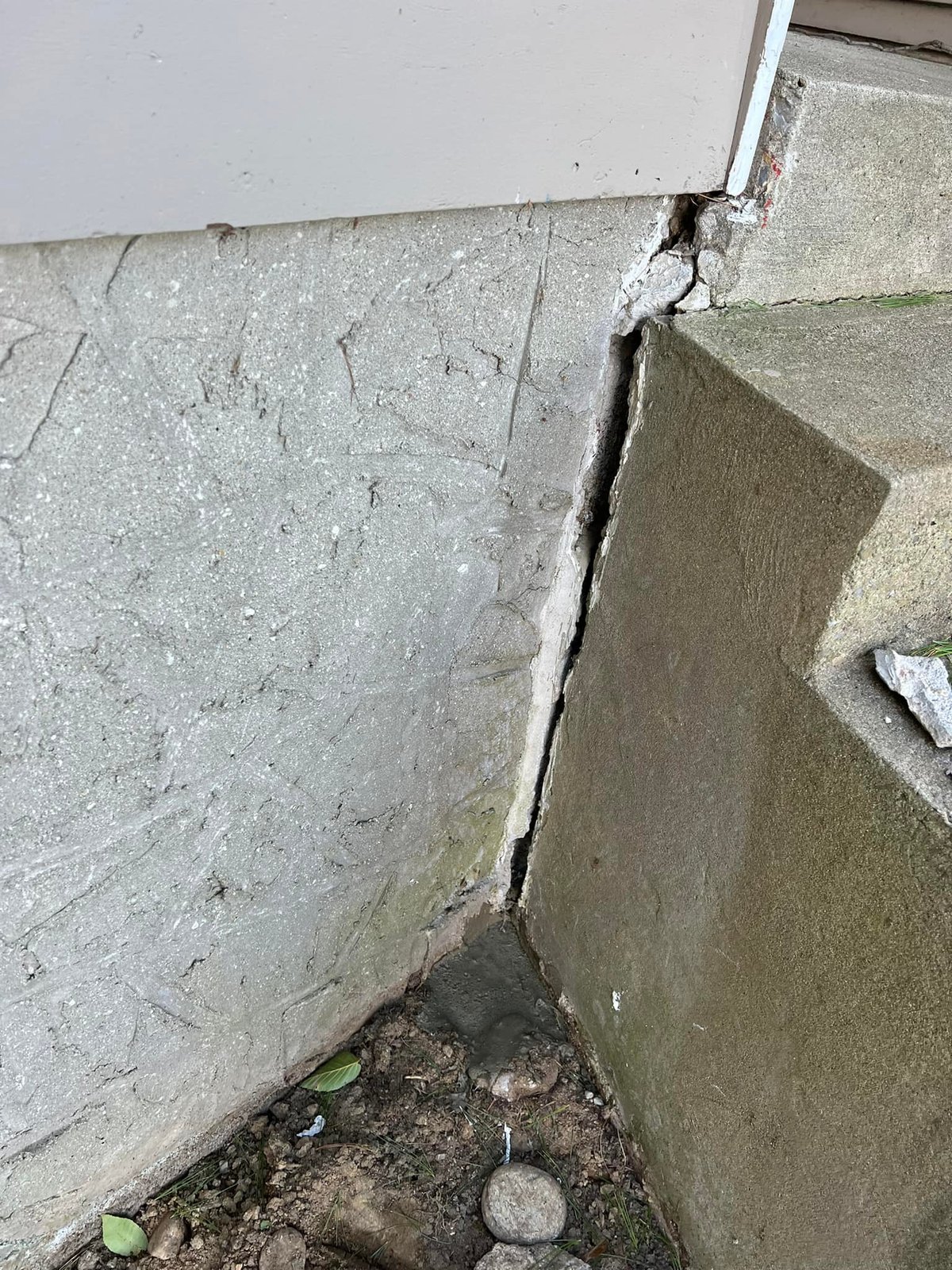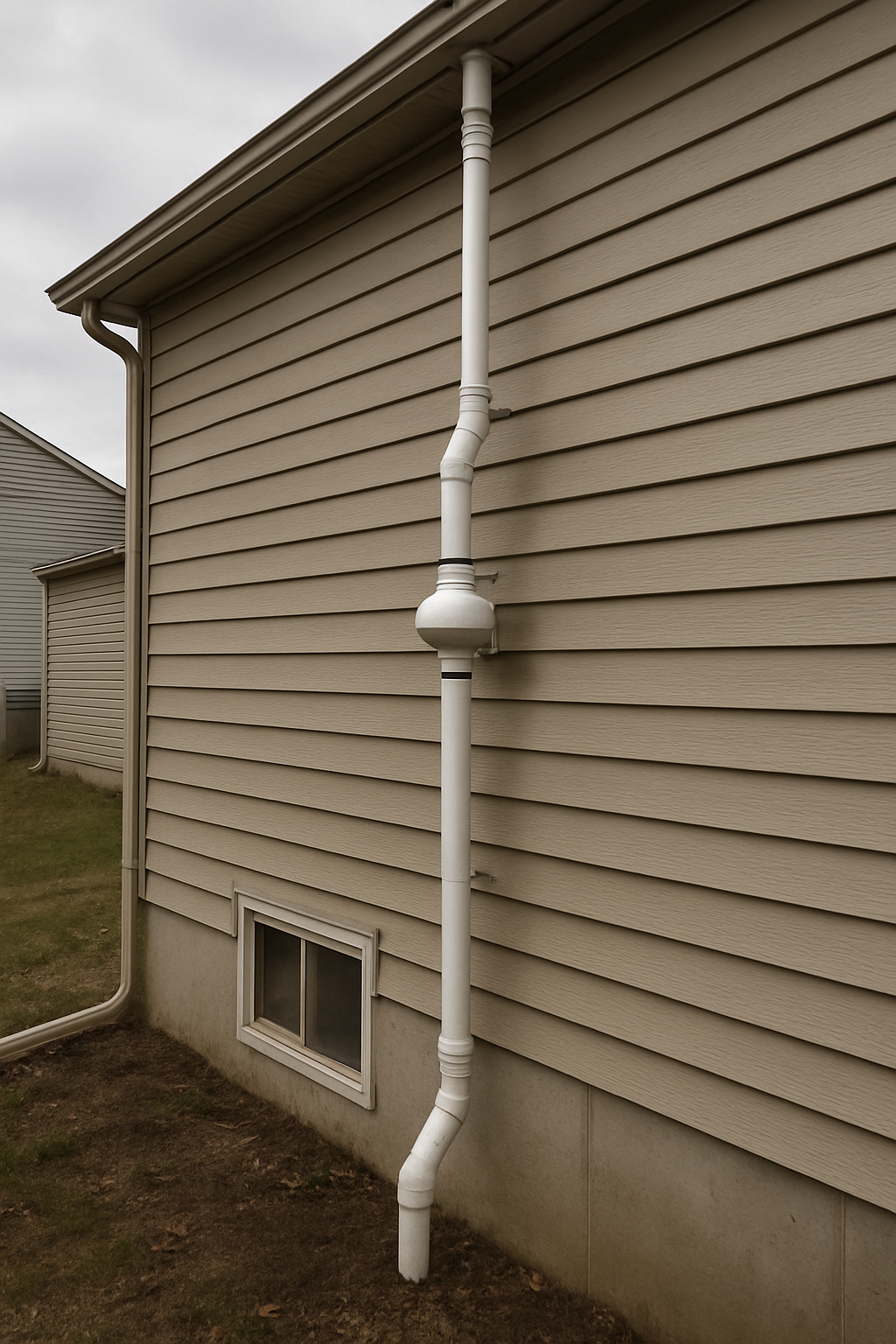
You’re moving boxes in the basement, you shine a light on the wall, and there’s a crack you’re pretty sure wasn’t there before. Cue the spiral: cracked foundation, the house is sinking, six figures to fix it. Take a breath. The large majority of basement wall cracks are the concrete doing something completely ordinary, not the house failing. But a few patterns genuinely mean the wall is under pressure and moving, and telling them apart is mostly about the direction of the crack and whether it’s changing.
I’ve sealed harmless cracks that scared homeowners half to death, and I’ve also seen a couple that needed real attention. Here’s how to read yours.
Most of them: curing and shrinkage cracks
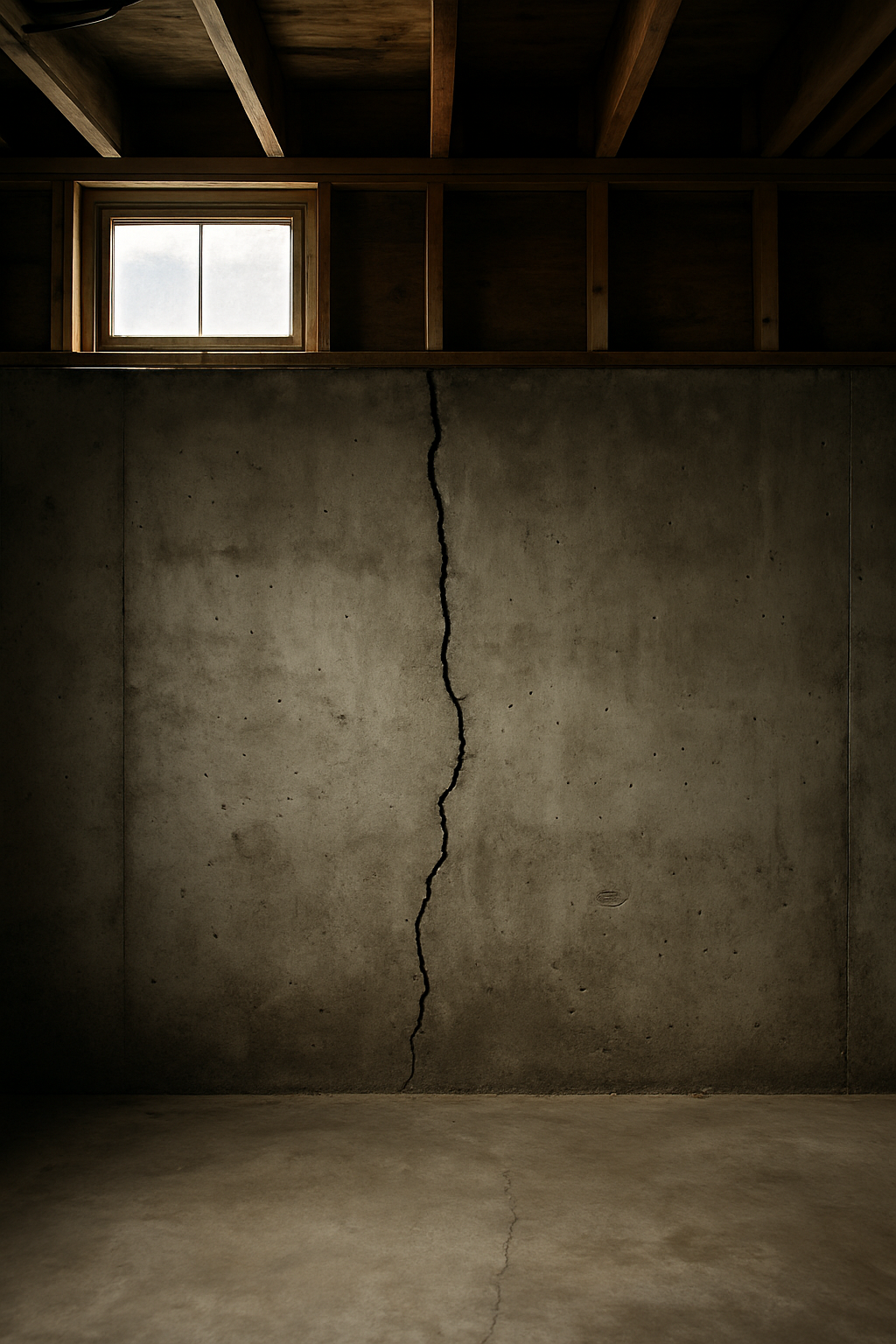
Poured concrete shrinks as it cures, and that shrinkage has to go somewhere. The result is a thin, roughly vertical crack — often near the middle of a wall or running down from a corner of a window or beam pocket. These usually show up in the first year or two after the pour, they’re narrow, and they don’t get meaningfully wider over time. They can weep water during heavy rain, which is annoying, but that’s a waterproofing issue, not a structural one. A stable vertical hairline is the concrete equivalent of a wrinkle — cosmetic, and sealable.
Sign 1: a horizontal crack (especially with bowing)
This is the one to take seriously. A crack running horizontally across the wall, often around the middle third, means the wall is being pushed on from outside — saturated soil, hydrostatic pressure, or frost heave loading it laterally. Sight along the wall or hold a straightedge to it: if it’s bowing inward along that crack line, that’s active pressure, and it tends to get worse, not better. Horizontal cracking in a block wall is especially worth a professional look. This isn’t a seal-it-and-forget-it crack.
Sign 2: stair-step cracks in block walls
In a concrete block (CMU) wall, watch for a diagonal crack that steps up along the mortar joints, corner to corner like a staircase. That pattern points to differential movement — one part of the foundation settling or shifting relative to another, or lateral pressure at a corner. A hairline stair-step that isn’t changing may just be watched, but one that’s widening, or where the wall is offsetting, is telling you something is moving now.
Sign 3: width, offset, and change over time
Regardless of direction, three measurements turn a crack from “watch it” into “act on it”:
- Width. Wider than about a quarter inch is worth a closer look; a crack you can slip a nickel into is not a hairline.
- Offset. Run your hand across it — if one side sits proud of the other, or the wall has sheared, that’s displacement, not just a surface split.
- Change. Mark each end of the crack with a pencil and the date, and photograph it monthly. A crack that hasn’t moved in a few months is one you can manage. A crack that’s outrunning your marks is an active problem.
Corroborate it with the rest of the house, too: doors upstairs that have started sticking, floors that slope toward one area, or new cracks appearing in the drywall above can all be the same movement showing up in different places.
Water is its own issue
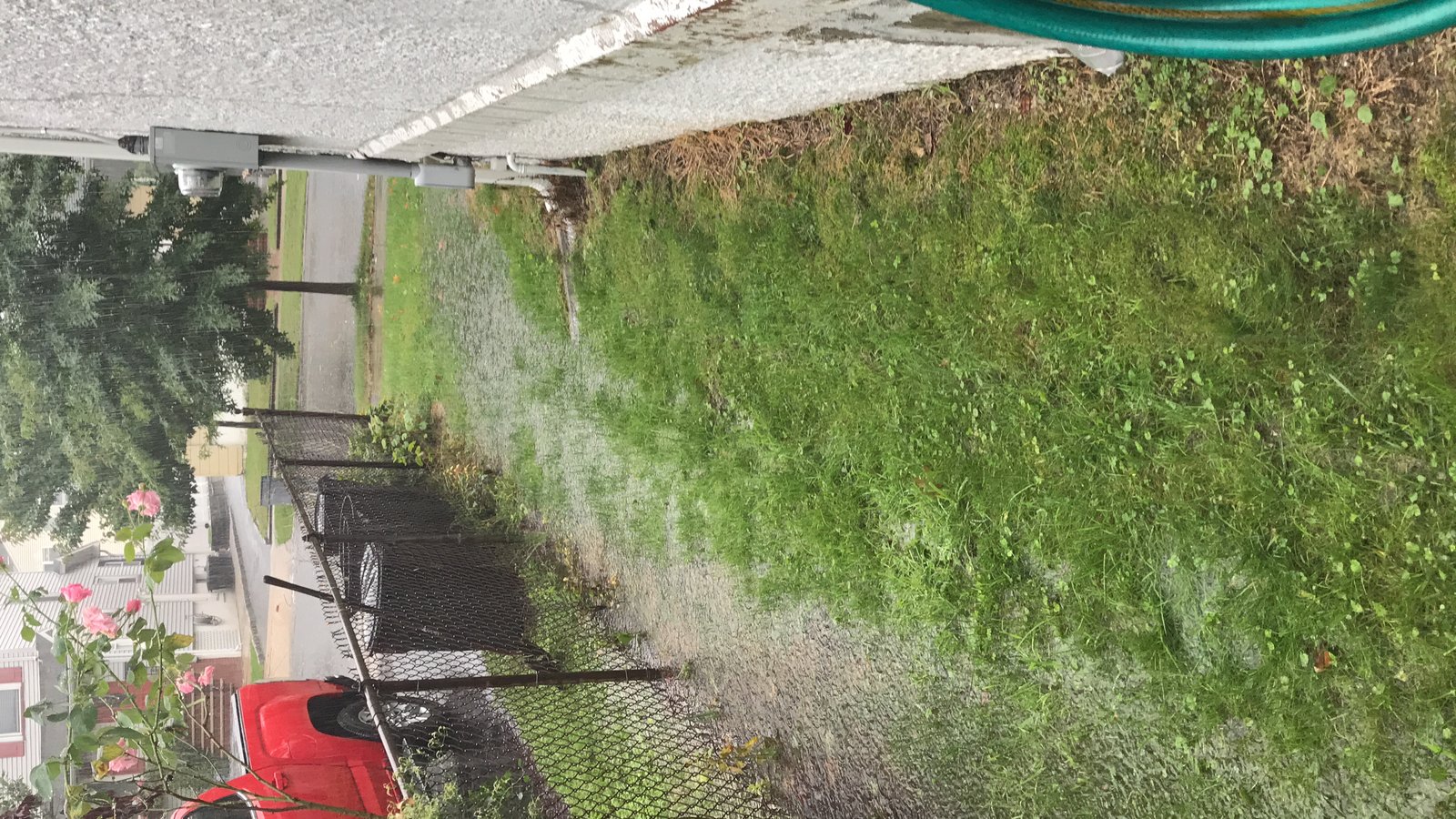
A crack that leaks isn’t automatically structural — plenty of harmless vertical cracks weep during a storm because there’s no exterior waterproofing behind them. That’s fixable with crack injection. But water plus movement is a worse combination than either alone, and a wall that’s both cracking horizontally and letting water in deserves prompt attention.
What the fixes look like
- Curing/shrinkage cracks: epoxy or polyurethane injection seals them against water and bonds the concrete; cheap and often DIY-able.
- Horizontal cracks and bowing: this is engineer territory — the remedies range from carbon-fiber straps to wall anchors to rebuilding the wall, depending on how far it’s moved. Don’t just skim-coat over it.
- Settlement/stair-step movement: may call for underpinning or piers to stabilize the footing. Also an engineer’s call.
The theme: seal the harmless ones yourself, but anything horizontal, bowing, stair-stepping, offset, or actively widening gets a structural engineer’s eyes before anyone sells you a fix.
Not sure which one you’re looking at?
Send me photos — the crack itself, a wider shot of the whole wall, and a straight-down-the-wall angle so I can see any bow — plus whether it leaks and whether it’s changed. I’ll tell you whether it’s a curing crack you can inject yourself or a movement crack that needs an engineer, and what I’d do if it were my own basement: a written diagnostic with the specific next step, $19.99, back to you in minutes.