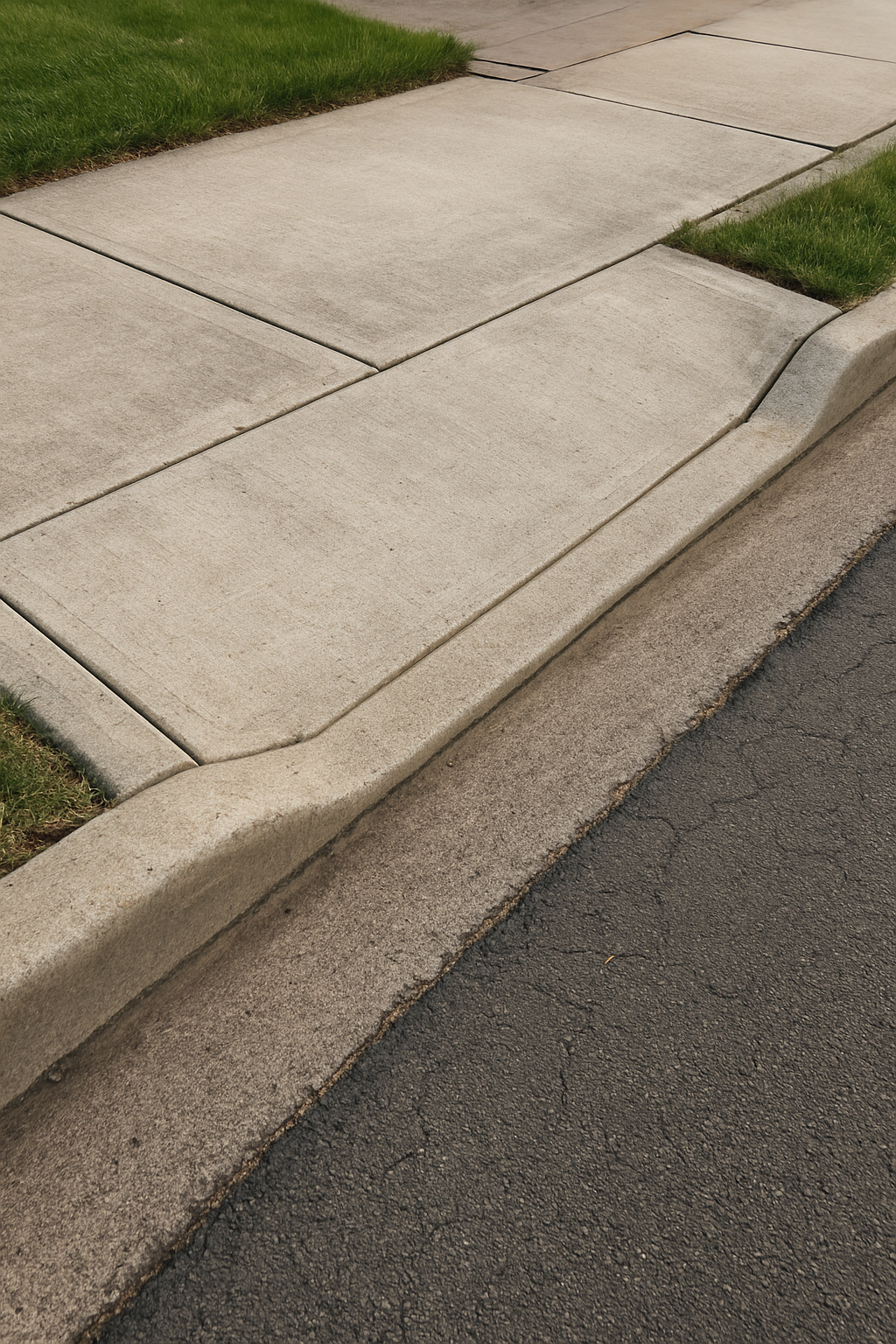
The concrete where your driveway meets the street — the apron — is cracking, chipping, or looking rough, and it feels like the whole section needs to be torn out and repoured. Before you call a contractor, know this: surface cracking and salt spalling are common and patchable, and don’t mean the concrete underneath has failed. But there’s a real difference between that and a section that’s actually sunk or heaved, and knowing which one you’re looking at changes both the cost and whether you need a permit.
Here’s how to tell which situation you’re in.
Check for surface cracking and spalling first
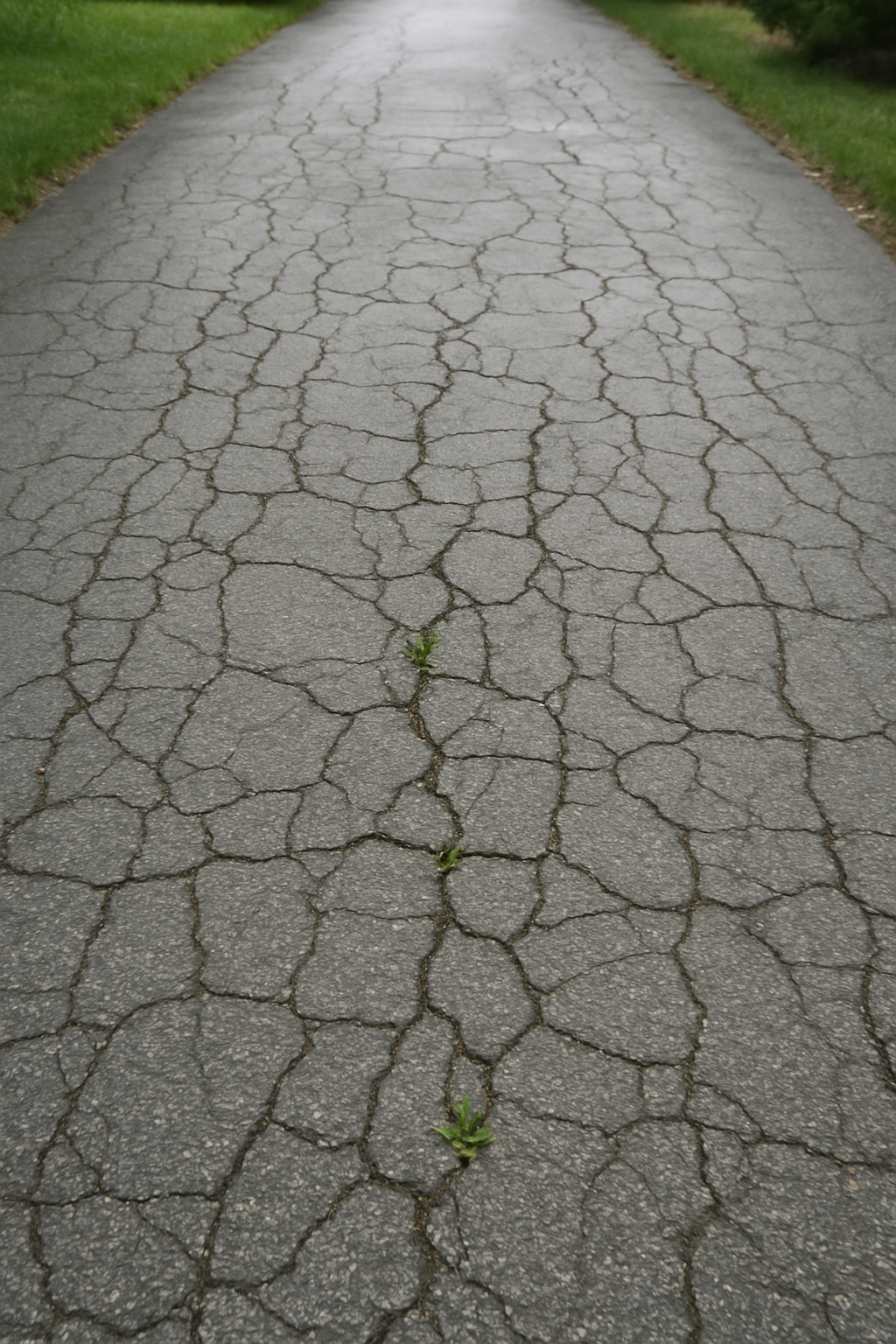
The apron takes more abuse than almost any other concrete on the property — vehicle weight, de-icing salt in winter climates, and constant freeze-thaw cycling at the edge of the street. Spalling (the surface flaking or chipping away, often from salt) and hairline to moderate cracks that don’t shift under a vehicle’s weight are surface-level damage. The slab is still doing its job structurally; it just looks rough. This is a resurfacing or patching job — clean out the cracks, fill with a concrete patching compound, and for widespread spalling, a full-surface resurfacing overlay evens everything out.
The test that matters: is it settling?
Walk the apron and look for height differences between adjacent slab sections, or between the apron and the street or driveway it meets. Water pooling at a low spot after rain, a section that visibly steps down from its neighbor, or a slab that rocks slightly under weight are all signs the base underneath — the compacted gravel or soil the concrete sits on — has washed out or shifted. Cracking is often present in these cases too, but it’s a symptom of the settling, not the primary problem.
Signs of base failure: a visible step or height mismatch between slab sections, standing water after rain that wasn’t there before, a slab that rocks or flexes under a vehicle, or a section that’s visibly lower than the street or driveway it connects to.
Why the apron often isn’t just yours to fix
In many municipalities, the driveway apron sits partly or entirely within the public right-of-way — the strip of land the town owns between the street and the property line, even though homeowners are usually responsible for maintaining it. That means a full apron replacement (not a simple patch) may require a permit, and some towns require using an approved contractor or specific concrete mix and drainage standards. Check with your local public works department before scheduling a full replacement — a patch job on your own concrete typically doesn’t trigger this, but tearing out and repouring the apron section often does.
What patching costs vs. what replacement costs
Patching cracks and resurfacing spalled concrete runs $300 to $800 for a typical apron, depending on the area covered. A full apron replacement — removing the old slab, addressing the base, and repouring — runs $1,500 to $4,000+, with permit fees, base repair, and any required inspections adding to the low end of that range.
The decision, simply
Patch or resurface if the damage is surface-level cracking or spalling and the slab sits flat and even with no pooling water. Replace the section if you see settling, a height mismatch, or persistent pooling — patching over a failed base just cracks again within a season or two. Check with the town first if replacement is on the table and your apron is anywhere near the curb — a quick call can save a redo if a permit or inspection is required.
DIY or not
Patching cracks and resurfacing with a bonding compound is a reasonable DIY weekend project. Full apron replacement is possible for an experienced DIYer with concrete experience, but between the base compaction, forming, pour, and finish work — plus any permit requirements — most homeowners hire this one out.
Not sure which one you’re looking at?
Tell me what the cracking looks like, whether you’re seeing any settling or pooling water, and roughly how the apron sits relative to the street. I’ll tell you whether this is a patch job or a full replacement, and what to check with your town first — a written diagnostic with the specific read and honest next step, $19.99, back to you in minutes.