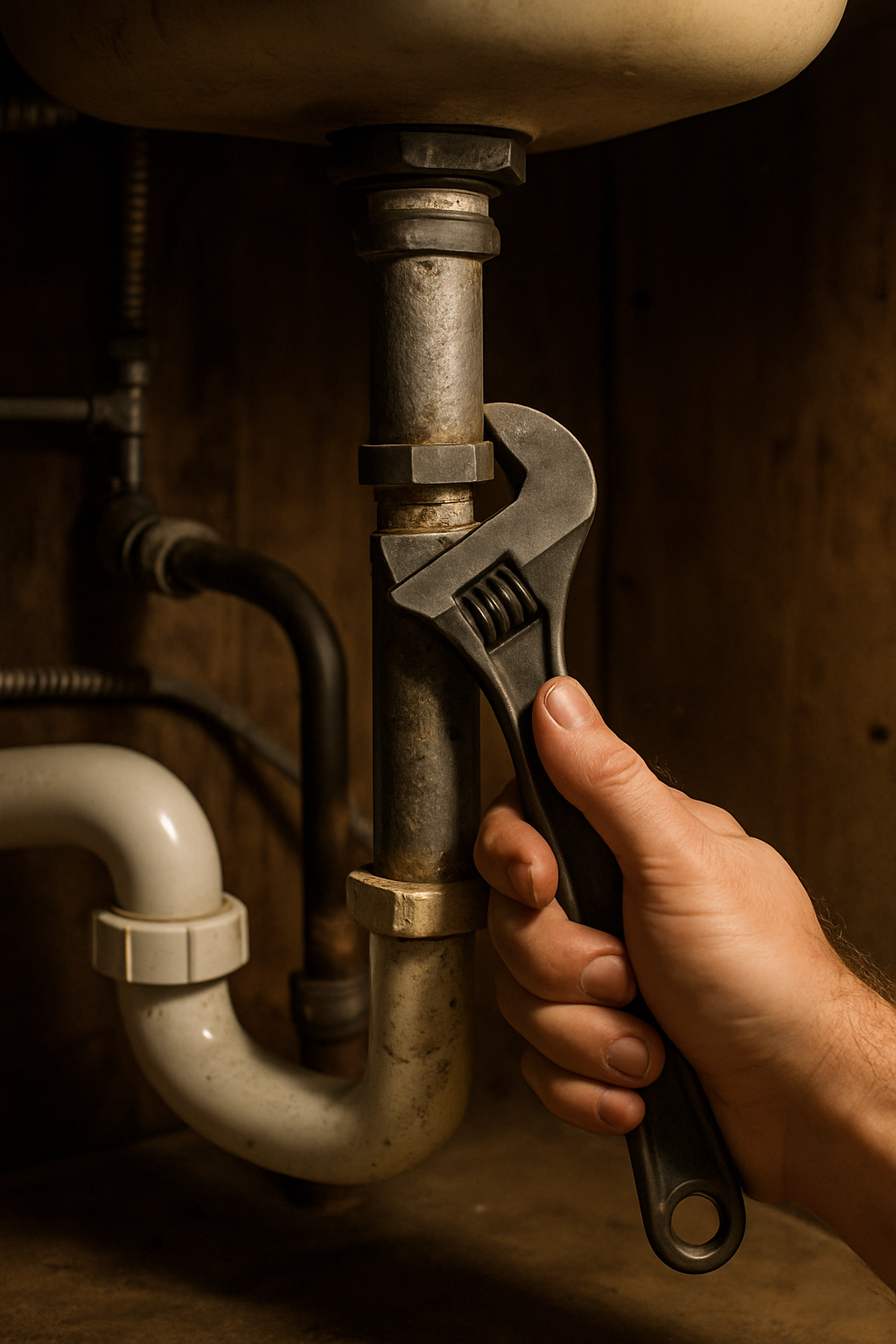
A pinhole leak shows up under the bathroom sink, a plumber comes out to fix it, and somewhere between the repair and the invoice you hear it: “Honestly, this whole house needs to be repiped.” Eight to fifteen thousand dollars. Sometimes that’s the truth. More often it’s the expensive default — and the difference is something you can check yourself in twenty minutes with a flashlight and a refrigerator magnet.
I’ve repiped a house, and I’ve repaired plenty of pipes that a quote said were beyond saving. The decision almost never starts with the leak that just happened. It starts with what the pipe is made of.
Step zero: find out what’s actually in your walls
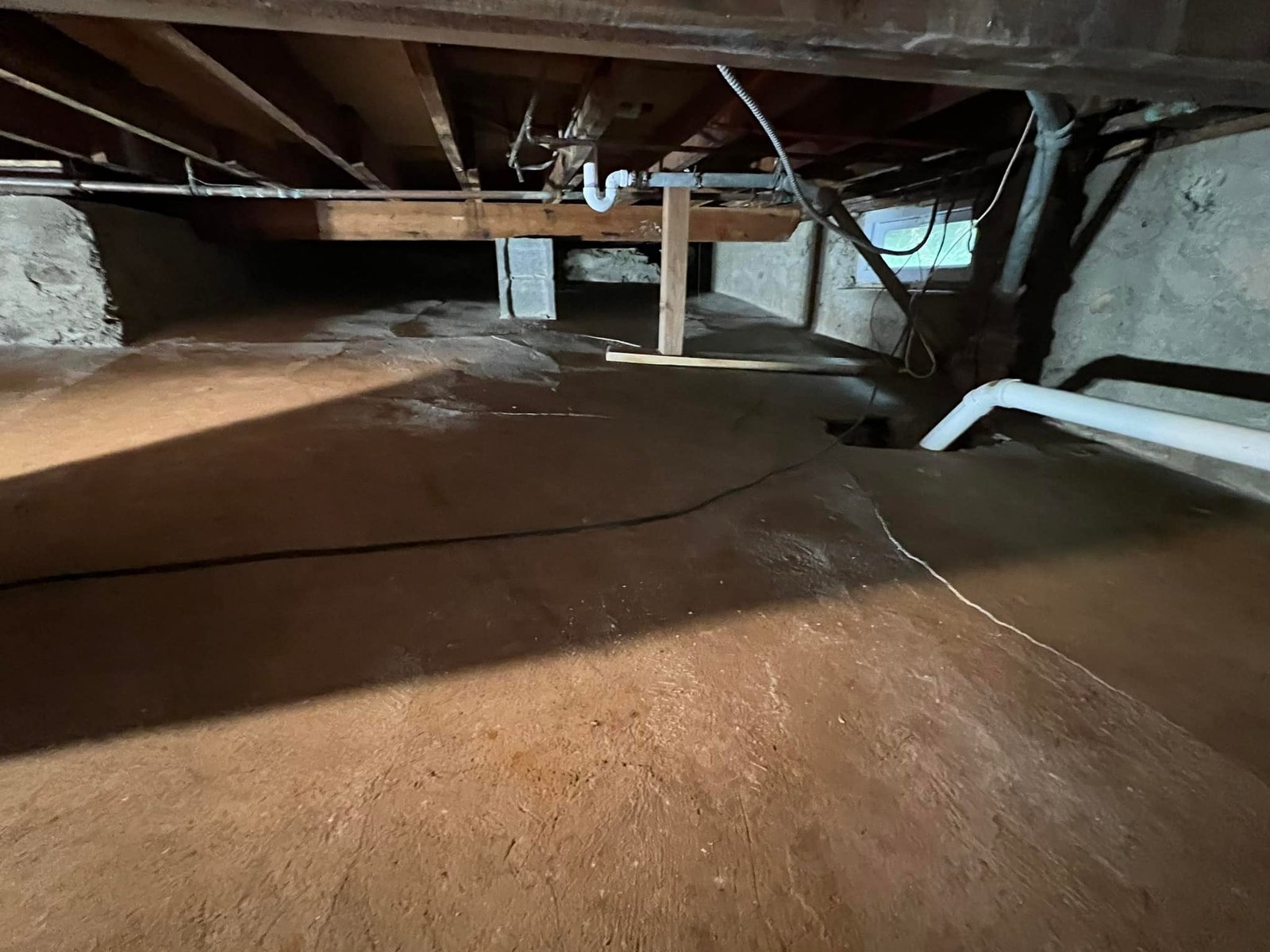
You don’t need to open anything. Supply pipes are exposed in at least three places in almost every house: at the water heater, along the basement or crawl-space ceiling, and under the kitchen and bathroom sinks. Go look, and sort what you see into one of four buckets:
Galvanized steel. Dull gray metal, threaded joints like a gas pipe, and — the giveaway — a magnet sticks to it. Standard in American houses up to about 1960 and installed into the ’70s in places. Galvanized pipe rusts from the inside out, and over decades the interior narrows like a clogged artery. If your supply lines are galvanized, the repipe conversation is real regardless of how the pipes look from outside.
Polybutylene. Gray flexible plastic, usually stamped “PB2110” somewhere along the run, installed roughly 1978–1995. This is the one material you replace on sight, leak or no leak. It degrades from contact with chlorinated water and fails suddenly — it was the subject of a class-action settlement, and some insurers will surcharge or non-renew a house that still has it.
Copper. The orange-brown metal everyone recognizes, soldered joints, standard from the ’60s through the 2000s. Copper is almost always worth repairing — with one pattern-based exception I’ll get to.
PEX. Flexible plastic tubing, usually red, blue, or white, in houses plumbed or remodeled since the mid-2000s. If a PEX system leaks, it’s nearly always a fitting, not the pipe. Repair, don’t replace.
That’s the frame. Now the signs.
Sign 1: One pinhole leak in copper — a repair, not a countdown
A single pinhole in a copper line is a spot repair: cut out the bad section, sweat in a coupling or drop in a push-fit fitting, done. A few hundred dollars from a plumber; a $30 fix if you’re comfortable doing it yourself on an accessible run. One leak in a thirty-year-old copper system is wear, not doom.
The honest question is why it pinholed. A leak at a fitting that was repaired before is workmanship — someone’s old solder joint, fixable forever. A pinhole in the middle of a straight run is chemistry, which brings us to the pattern rule.
Sign 2: A pattern of pinholes — now the repipe math starts
Three pinholes in two years, on different runs in different parts of the house, is not bad luck. That’s your water chemistry — pH, dissolved oxygen, sometimes stray electrical current — eating the copper from the inside everywhere at once. Each repair is real money buying you months, and every leak you don’t catch quickly is a ceiling, a subfloor, or a mold problem.
This is the copper exception: when the leaks stop being events and become a rate, add up what you’ve spent in twenty-four months. If it’s north of a thousand dollars and trending up, you’re already paying for a repipe — you’re just buying it retail, one flood at a time.
Sign 3: Brown water and fading pressure — galvanized closing up
Two symptoms show up together on old galvanized systems, usually years before a catastrophic leak:
- Brown or rusty first-draw water — discolored for the first seconds in the morning, then clearing. That’s rust shedding off the pipe interior overnight.
- Falling pressure at the fixtures — the shower that goes weak when the kitchen tap runs, the washing machine that takes forever to fill. Not the well or the street pressure: the pipe bore itself has narrowed to a pencil.
Either alone is worth investigating. Both together on a galvanized house is the system telling you it’s done. There is no repair for a pipe that’s closing up along its whole length — replacing one section just moves the restriction.
Sign 4: The same joint, over and over — that’s a plumber problem
The opposite case, worth naming because it gets oversold: a leak that keeps coming back at the same spot is a workmanship issue — a bad joint, a pipe rubbing on a joist, a missing hanger letting a run sag. That gets fixed correctly once, not repiped. If a quote jumps from “this joint keeps failing” to “replace everything,” get a second opinion.
The decision framework
Repair when: the system is copper or PEX, the leaks are isolated or explainable, water runs clear, and pressure is steady. Which is most houses, most of the time.
Repipe when: the house is galvanized and showing the brown-water/pressure symptoms; there’s polybutylene anywhere; or copper has crossed the pattern threshold — roughly three-plus leaks in two years across different runs.
On cost: a modern repipe is PEX, not copper, and that changes the math homeowners remember from twenty years ago. PEX pulls through walls like electrical cable, which means far fewer drywall openings, and the material runs a fraction of copper’s price. A one-story house over a basement or crawl space is the easy case — most of the work happens from below. Two stories on a slab is the hard case. Get quotes both ways before assuming the scary number.
On timing: if a kitchen or bathroom remodel is anywhere in your plans, sequence the repipe first. The walls are open anyway, and that alone can knock thousands off the combined cost. Doing the remodel first and the repipe second means paying to open finished walls twice — the classic sequencing mistake.
On DIY: replacing an accessible run in PEX is legitimately homeowner territory — an expansion tool, a free afternoon, and a shutoff valve. A whole-house repipe is usually permit territory, and inspectors care about support spacing, protection plates, and dielectric unions where new meets old. Check your local requirements before you commit either way.
Not sure which side of the line you’re on?
Send me photos — the exposed pipes at your water heater, a basement or crawl-space run, and the quote if you have one. I’ll tell you what your system is, which sign you’re actually showing, and what I’d do if it were my own house: a written diagnostic with the specific fix sequence, realistic costs, and whether that repipe quote is honest — $19.99, delivered in minutes.