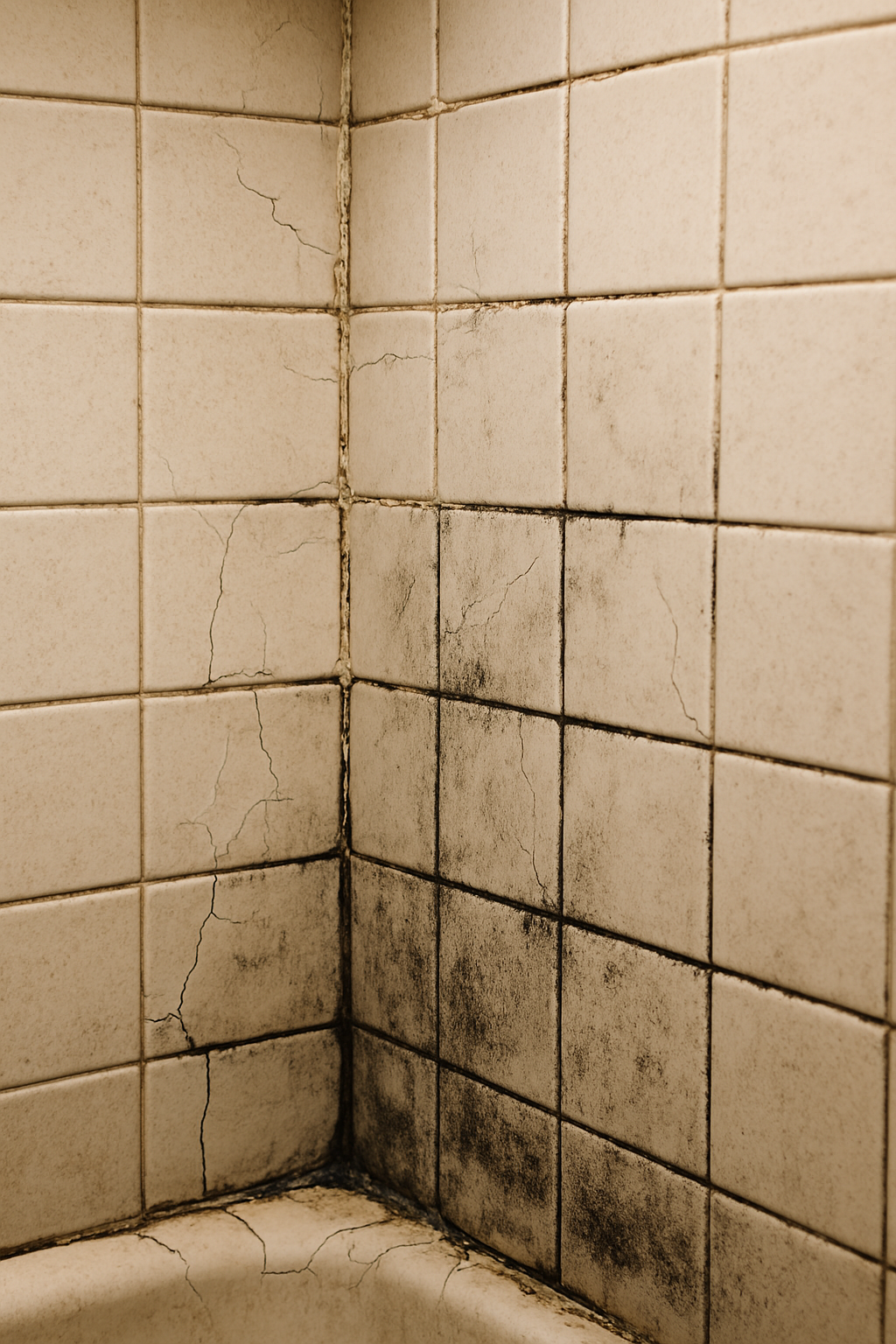
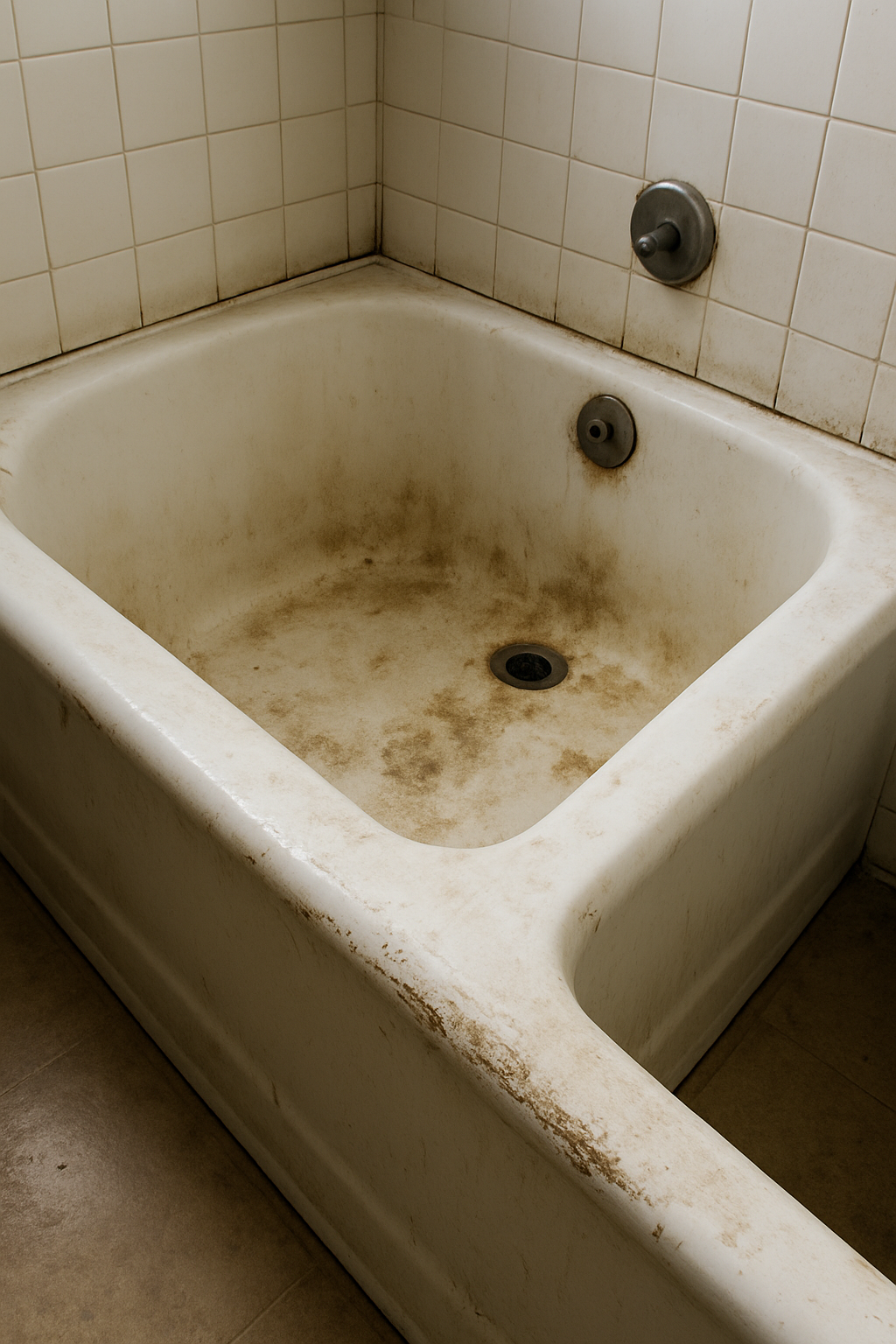
The tub is stained, dull, maybe a little chipped, and it makes the whole bathroom look dated no matter how clean it actually is. The instinct is to price a full bathroom remodel: tear it out, tile, plumbing, the works. Most of the time, the tub itself is completely fine — it’s just the surface that’s shot, and there’s a coating fix for that. But there’s one quick test that tells you when the problem was never the tub at all.
Here’s how to know which one you’re dealing with.
What reglazing actually is
Reglazing (also called refinishing) is a professional process: the existing surface is sanded and chemically etched, any chips are filled, and a new epoxy or urethane coating is sprayed on to look like a fresh factory finish. It typically costs a few hundred dollars, takes one to two days including cure time, and works on cast iron, steel, or fiberglass tubs. It’s a coating, not a structural repair — expect it to last 5 to 10 years with normal care, less if you use abrasive cleaners on it afterward.
Sign 1: it’s a good reglazing candidate
If the tub is structurally sound — no cracks that flex, no rust-through on a steel tub, no soft spots — and the problem is purely cosmetic (staining, dullness, minor chips, an outdated color), reglazing is the right call. It’s dramatically cheaper than replacement and doesn’t touch the surrounding tile or plumbing.
Sign 2: it’s already been reglazed before
Ask, or look closely at the finish under strong light for a slightly uneven or “orange peel” texture, which can indicate a prior refinish. Each reglazing bonds to the layer before it, and that bond gets less reliable with each round. A tub on its second or third reglaze is a candidate for replacement instead — you’re chasing diminishing returns on an old surface.
Sign 3: the flex test — the one people miss
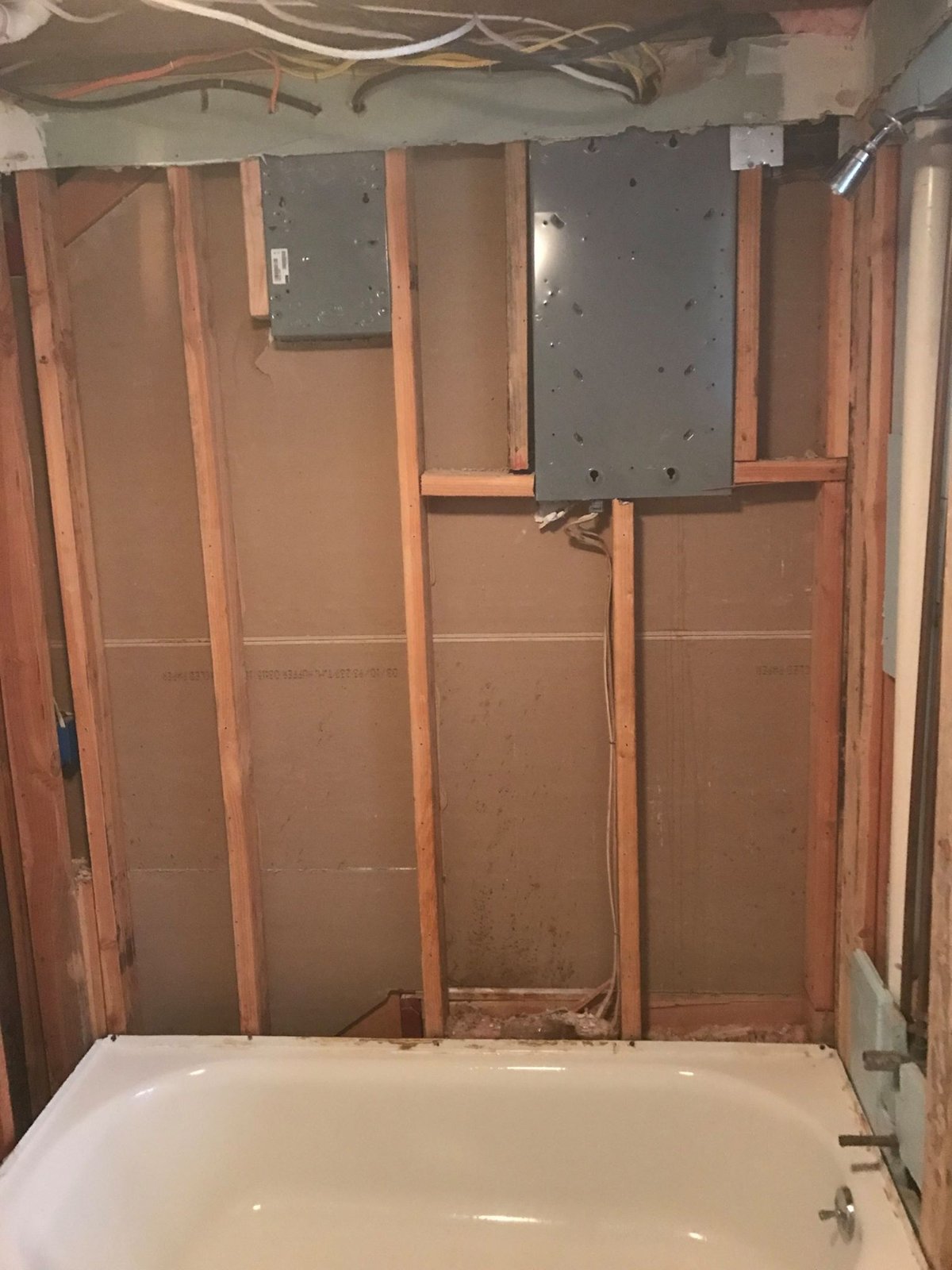
Stand in the empty tub and shift your weight, or press firmly on the bottom with your hand. If the tub floor flexes, bounces, or feels soft, that’s not a tub problem — that’s the subfloor or support structure underneath failing, almost always from water that’s been getting past the tub’s edge or an old leak for years. Reglazing a tub sitting on a rotted subfloor doesn’t fix anything; it just puts a fresh coat on top of a structural problem that keeps getting worse underneath. This is the check most people never think to do, because the tub looks fine from the top.
What the flex test means for next steps
If you get flex, the fix isn’t cosmetic at all — it usually means opening up the area (from below if there’s access, or by removing the tub) to find and repair the water damage, then addressing the actual leak source before anything goes back together. That’s a bigger job than either reglazing or a simple tub swap, but skipping it means whatever you install next fails the same way.
The decision, simply
Reglaze if the tub is stained, dull, or lightly chipped, hasn’t been refinished more than once already, and passes the flex test. Replace the tub if it’s rusted through, cracked, or already reglazed multiple times. Stop and investigate the floor if you get any flex underfoot — that’s the actual problem, and it comes before any decision about the tub’s surface.
DIY or not
DIY reglazing kits exist, but the surface prep (etching, ventilation for the chemicals involved) is genuinely hazardous to do without proper equipment, and the results rarely match a professional spray finish or last as long. This is one I’d hire out. If you find subfloor damage, that’s carpentry and possibly plumbing — also not a solo weekend project.
Not sure which one you’re looking at?
Send me a couple of photos of the tub’s surface and tell me whether it flexes when you stand in it. I’ll tell you whether reglazing makes sense, whether it’s time to replace the tub, or whether you need to be looking at the floor first — a written diagnostic with the specific read and honest next step, $19.99, back to you in minutes.