Disposal’s dead, sink’s backing up, and the instinct is to start pricing a new one. Hold off. Most “dead” disposals aren’t dead — they’re jammed or tripped, and both are a five-minute fix with tools you probably already own. Here’s how to tell the difference between that and a unit that’s actually finished.
First: is it humming, or silent?
Humming, but not spinning — flip the wall switch and you hear a hum but nothing turns. That’s almost always a jam, not a dead motor. Something (a fruit pit, glass, bone) has locked the flywheel. Fix: kill the power at the switch or breaker, look for a small hex-shaped hole in the bottom center of the unit, and turn a 1/4” hex key back and forth in it a few times to free the flywheel. Most disposals ship with this hex key taped to the unit itself for exactly this reason.
Total silence, no hum at all — that’s usually the internal overload protector tripping, not the motor failing. Look for a small red or black reset button on the bottom of the unit and press it firmly. If it clicks back in, you’re done.
Still nothing after both — check the breaker or outlet it’s plugged into, and check any switch under the sink cabinet that some installs include. If power is confirmed reaching the unit and it still won’t run, that’s when you’re likely looking at a dead motor.
The signs that mean it’s actually finished
Leaking from the housing itself, not the plumbing connections around it — water seeping from the seams of the metal housing means an internal seal has failed. That’s not repairable; the unit gets replaced.
A burning smell after a reset, especially if the reset button won’t stay in (it trips again within seconds of running). That’s a motor that’s actually failing electrically.
Grinding metal-on-metal noise with nothing stuck — after you’ve confirmed there’s no jam, a persistent grinding sound means the flywheel or impellers have worn down.
It’s more than 8-10 years old and this isn’t its first issue. Disposals don’t have a hard expiration date, but most residential units are rated for that range of daily use before wear catches up with them.
What a new one costs, installed
A basic 1/3 HP disposal runs $100–$180 installed if you’re swapping a like-for-like unit with existing wiring and plumbing in place. A mid-range 1/2–3/4 HP unit (quieter, handles more volume) runs $200–$350 installed. If the new unit needs a dedicated circuit or the existing wiring/plumbing needs rework, add $150–$400 for the electrical or plumbing work.
DIY or not
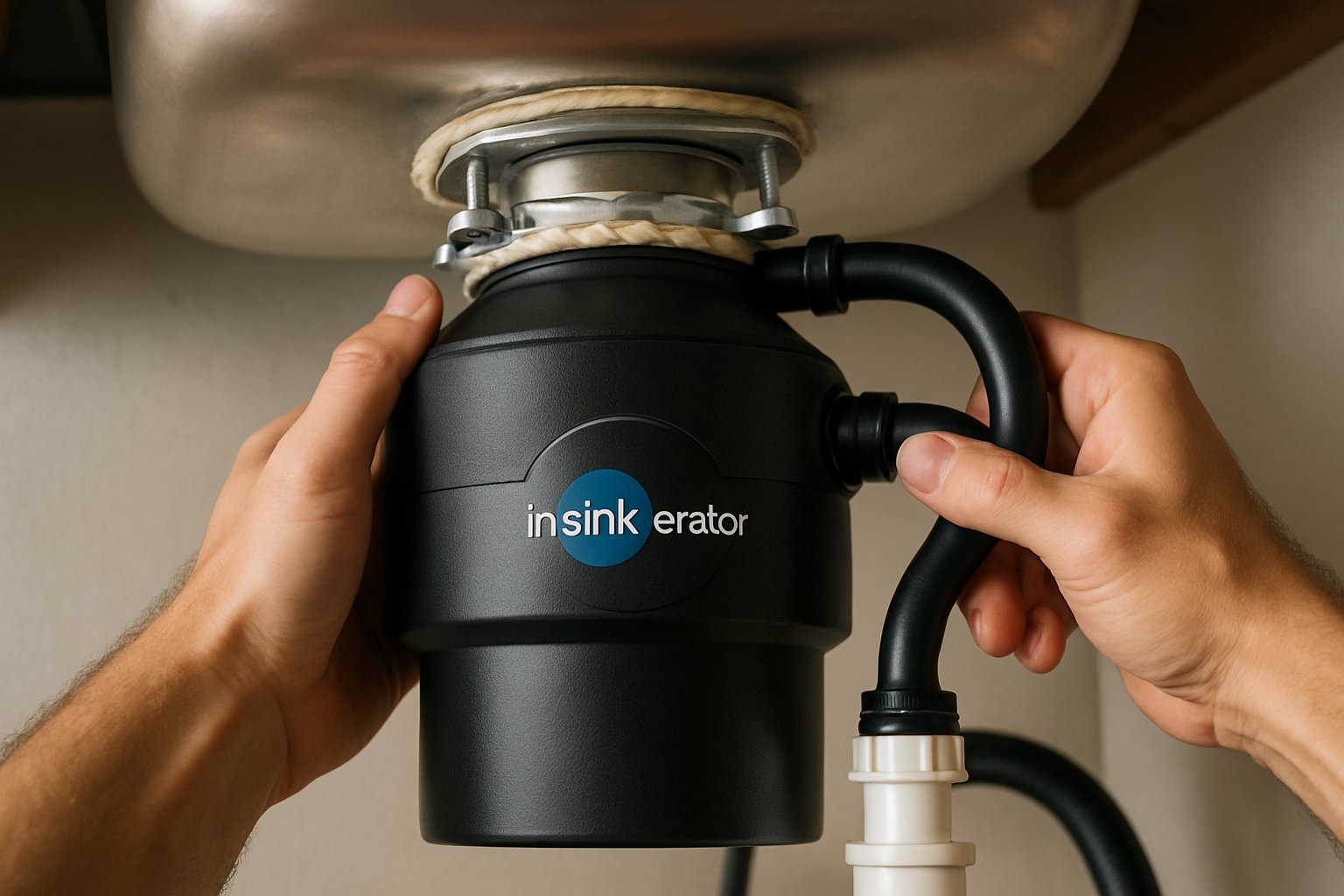
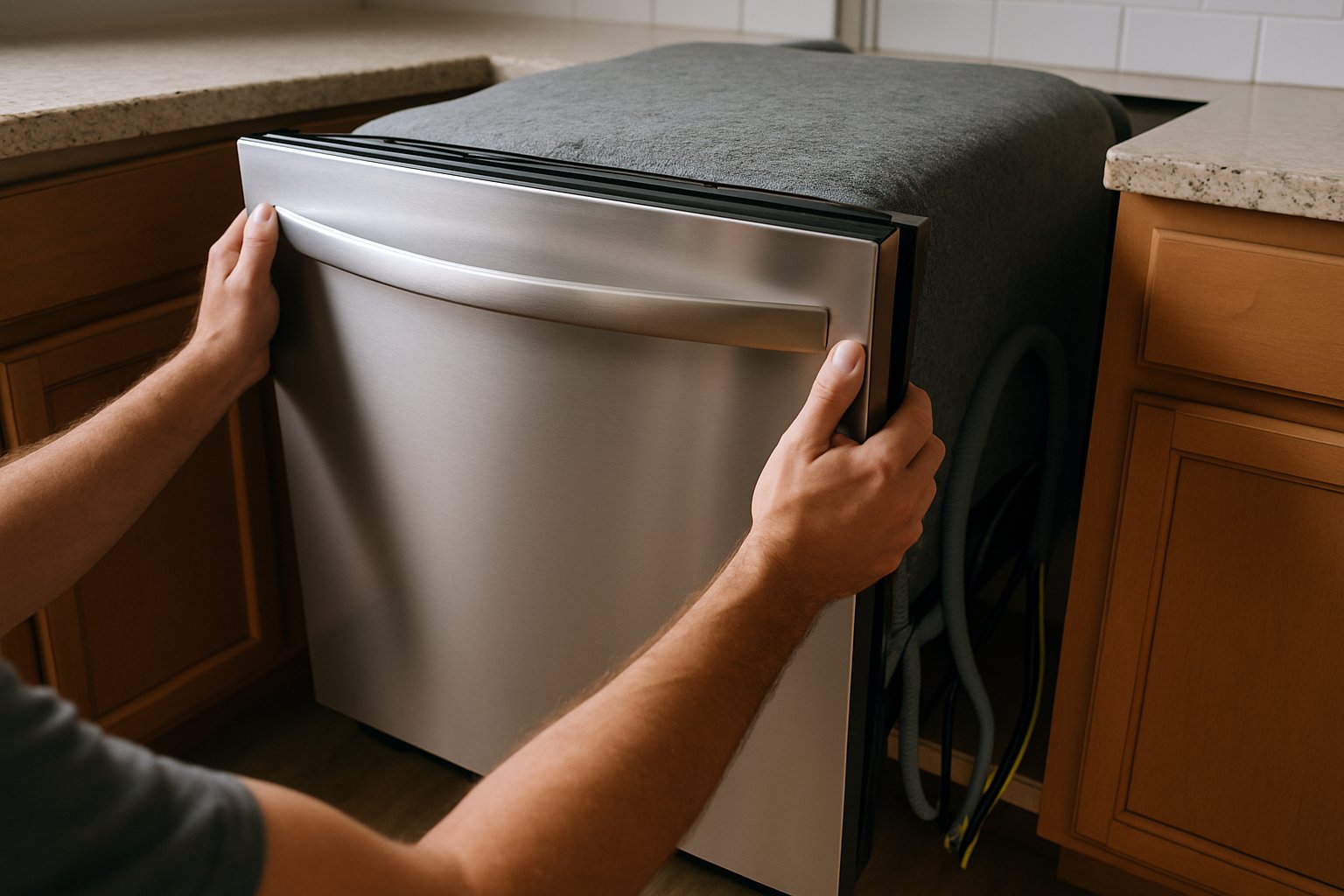
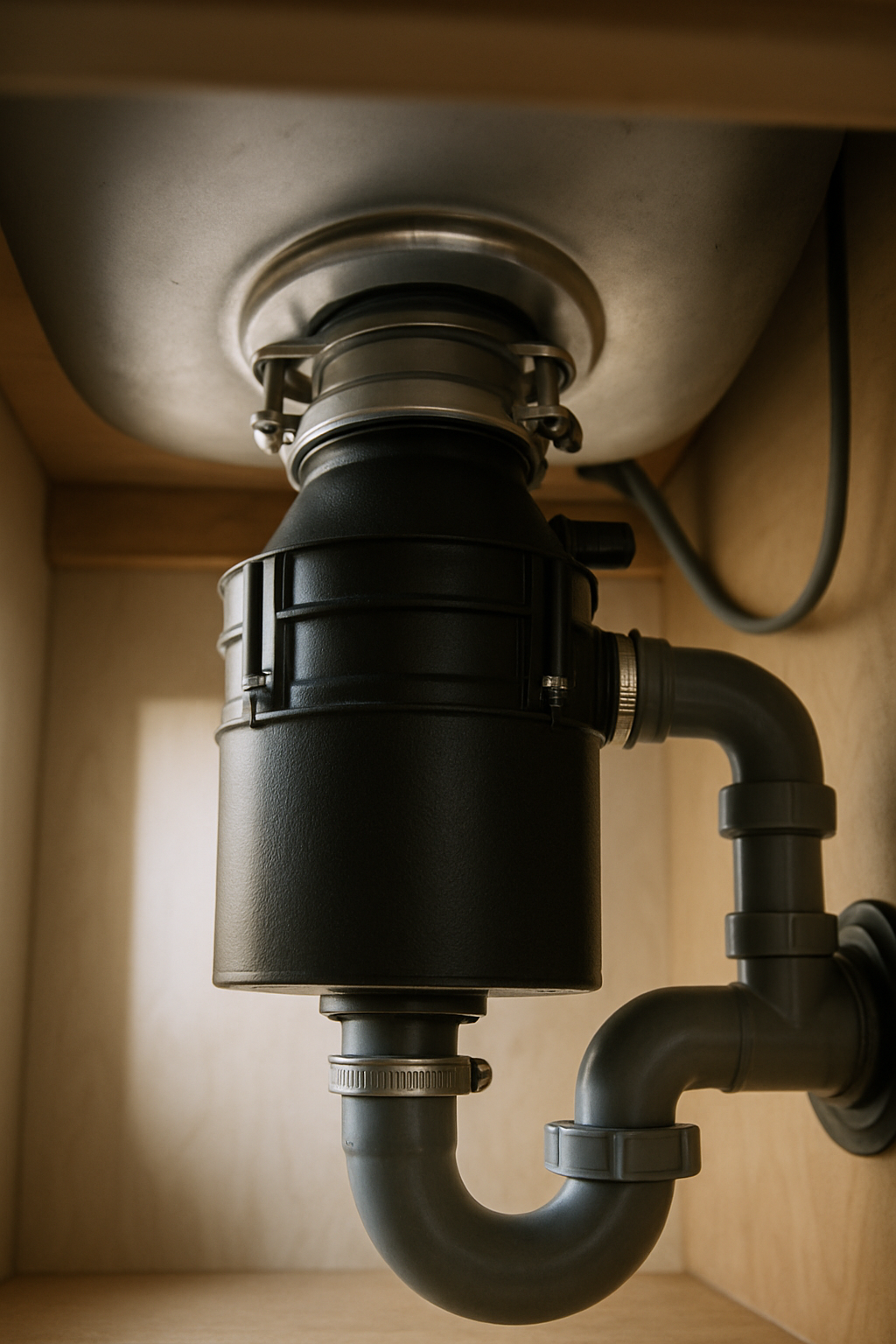
Swapping a disposal is a genuinely reasonable DIY project if you’re comfortable working under a sink: shut off power at the breaker, disconnect the mounting ring (twist-lock on most modern units), disconnect the drain and dishwasher hose if present, and reverse the process with the new unit. Budget 30-45 minutes for a first-timer. The one thing to get right: match the mounting system (most modern disposals use a universal twist-lock ring compatible across brands, but check before you buy) so you’re not also replacing the sink flange.
Call a plumber if the new unit needs a dedicated circuit run, if there’s any sign of the drain plumbing itself being compromised (corroded P-trap, deteriorated pipe), or if you’re just not comfortable working under a sink with the water supply nearby.
Not sure which one you’re looking at?
Send me a video or photo of what’s happening — the sound it’s making, or where it’s leaking from — and I’ll tell you whether this is a five-minute fix or a replacement, and which unit fits your setup. A written diagnostic with the specific read, $19.99, back to you in minutes.