Water pressure has dropped, or the pump is cycling on and off every time you turn on a faucet, and it feels like the whole well system is dying. Before you brace for the cost of pulling a submersible pump, know this: the single most common cause of these symptoms isn’t the pump at all — it’s the pressure tank. But there’s a real difference between that and a pump that’s actually losing power, and knowing which one you’re looking at changes whether this costs a few hundred dollars or several thousand.
Here’s how to tell which situation you’re in.
Check the pressure tank first
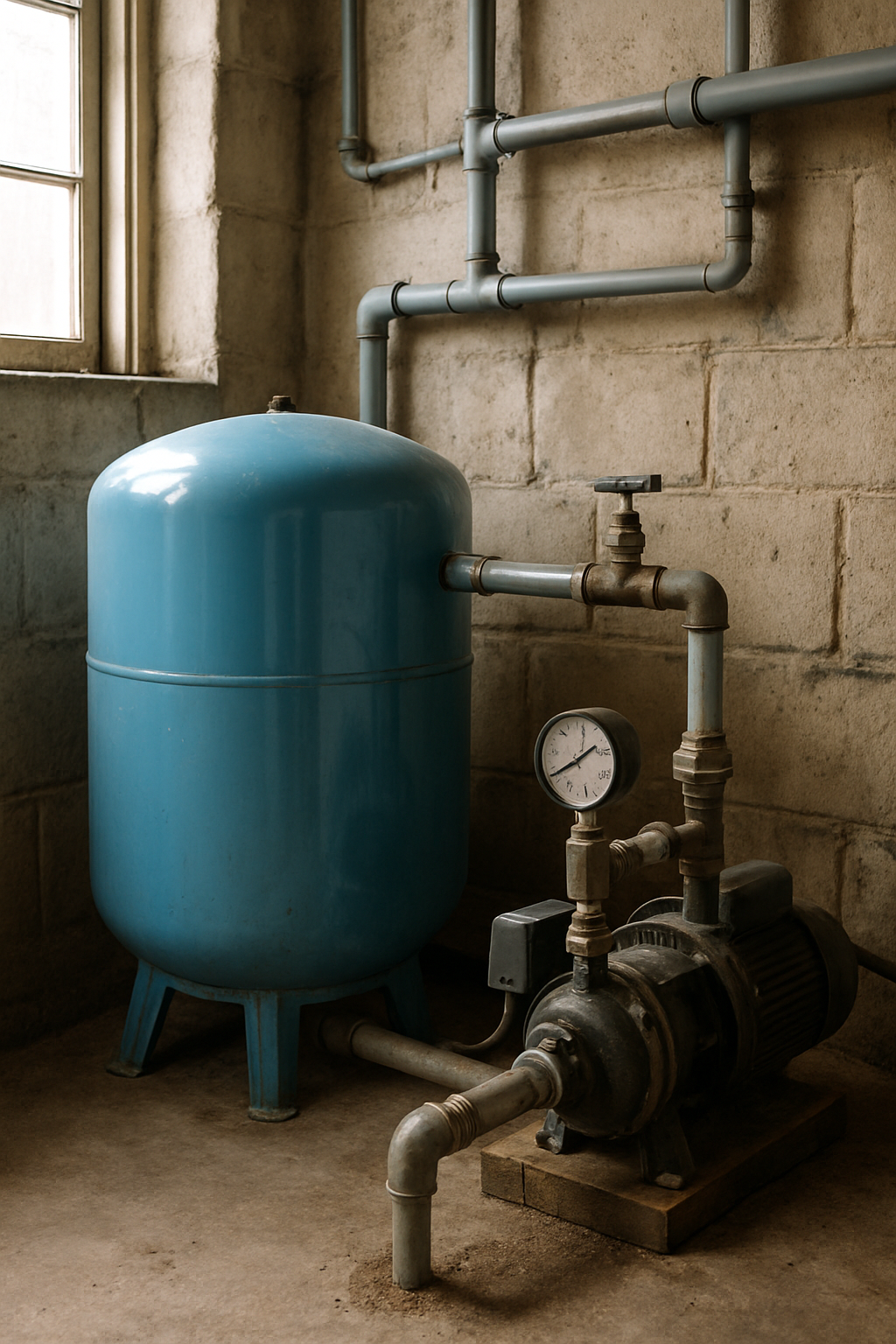
A well system uses a pressure tank with an internal air bladder to store water under pressure, so the pump doesn’t have to run every single time you open a tap. Over time, that bladder can fail — the tank waterlogs, loses its air cushion, and the pump ends up starting and stopping rapidly (called short-cycling) or pressure surges and drops at the faucet. This produces symptoms that feel exactly like a dying pump: weak pressure, pulsing water flow, a pump that runs constantly.
Signs it’s the tank, not the pump: the pump cycles on and off in rapid, short bursts even with a faucet only lightly running, the tank feels heavy and full of water when you tap or push on it (a healthy tank sounds hollow in its upper portion), or the pressure gauge swings wildly between the pump’s cut-in and cut-out settings.
A waterlogged tank is fixed by recharging the air charge or, more commonly, replacing the tank outright — a straightforward job that doesn’t involve touching the well itself.
If the tank’s fine, it’s the pump
Once you’ve confirmed the pressure tank is holding air properly and short-cycling isn’t the issue, and you’re still seeing weak or sputtering water, the submersible pump itself — down in the well — may be losing power. This is a mechanical or electrical issue with the pump motor, impeller, or check valve.
Pump failure signs: water sputtering or spitting air at the faucet (a sign the pump is losing prime or the well level has dropped near the pump intake), a pump that runs constantly without ever building pressure, a noticeable drop in flow rate across the whole house, or no water at all with the pump audibly running (or not running) at the electrical panel.
Why well depth changes the math more than anything else
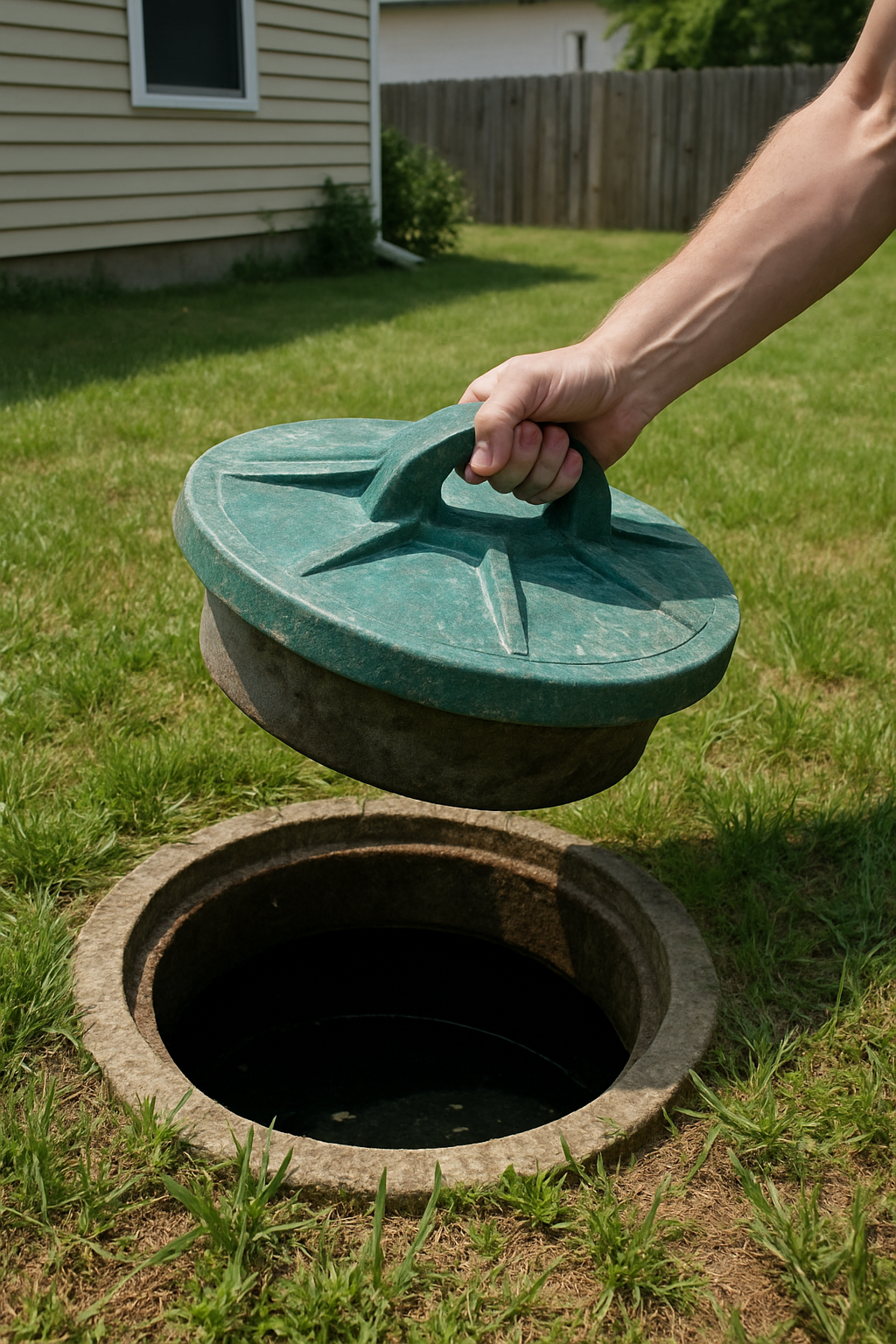
Submersible well pumps typically last 10 to 15 years. When one does fail, the cost isn’t just the pump itself — it’s pulling it up out of the well casing, which for a deep well means specialized rigging or a well-service truck with a winch. A shallow well with an easy-access casing is a straightforward pull; a well several hundred feet deep is a bigger job by any measure. This is the single biggest reason well pump repairs vary so much in price from one house to the next.
What a tank fix costs vs. what a pump replacement costs
A pressure tank replacement runs $300 to $800 installed, and a bladder recharge alone (if the tank itself isn’t damaged) can be under $100. Pulling and replacing the submersible pump runs $1,000 to $3,000+, with the well’s depth and the pump’s horsepower being the main cost drivers — deeper wells and higher-capacity pumps push toward the top of that range or beyond.
The decision, simply
Pressure tank if the pump short-cycles rapidly and the tank feels waterlogged — a tank swap resolves it without touching the well. Pump replacement if the tank tests fine but you’re getting sputtering water, constant running without pressure building, or no water at all with an audibly-running pump. Get a well inspection if you’re not sure which — a well contractor can test both in under an hour and tell you definitively before you pay for either.
DIY or not
Replacing a pressure tank is a doable DIY project for a comfortable homeowner — shut off power and water, disconnect and swap the tank, reconnect. Pulling a submersible well pump requires specialized equipment (a winch or well-pulling rig, depending on depth) and electrical work at the pump’s wiring — this is a job for a licensed well contractor, not a DIY weekend, especially on anything but a shallow well.
Not sure which one you’re looking at?
Tell me what the pump’s doing, what the pressure tank feels like, and how deep your well is if you know it. I’ll tell you whether this sounds like a tank fix or a pump pull — a written diagnostic with the specific read and honest next step, $19.99, back to you in minutes.