
The other half of the basement is original cinder block — egress window, slab floor, and a corner that was actively wicking moisture. Rather than fight it with framing and drywall that'd just rot again, I cleaned it, sealed the block, painted everything white, and put a gray sealer on the slab. Honest storage and laundry space. Lets the block breathe.
-
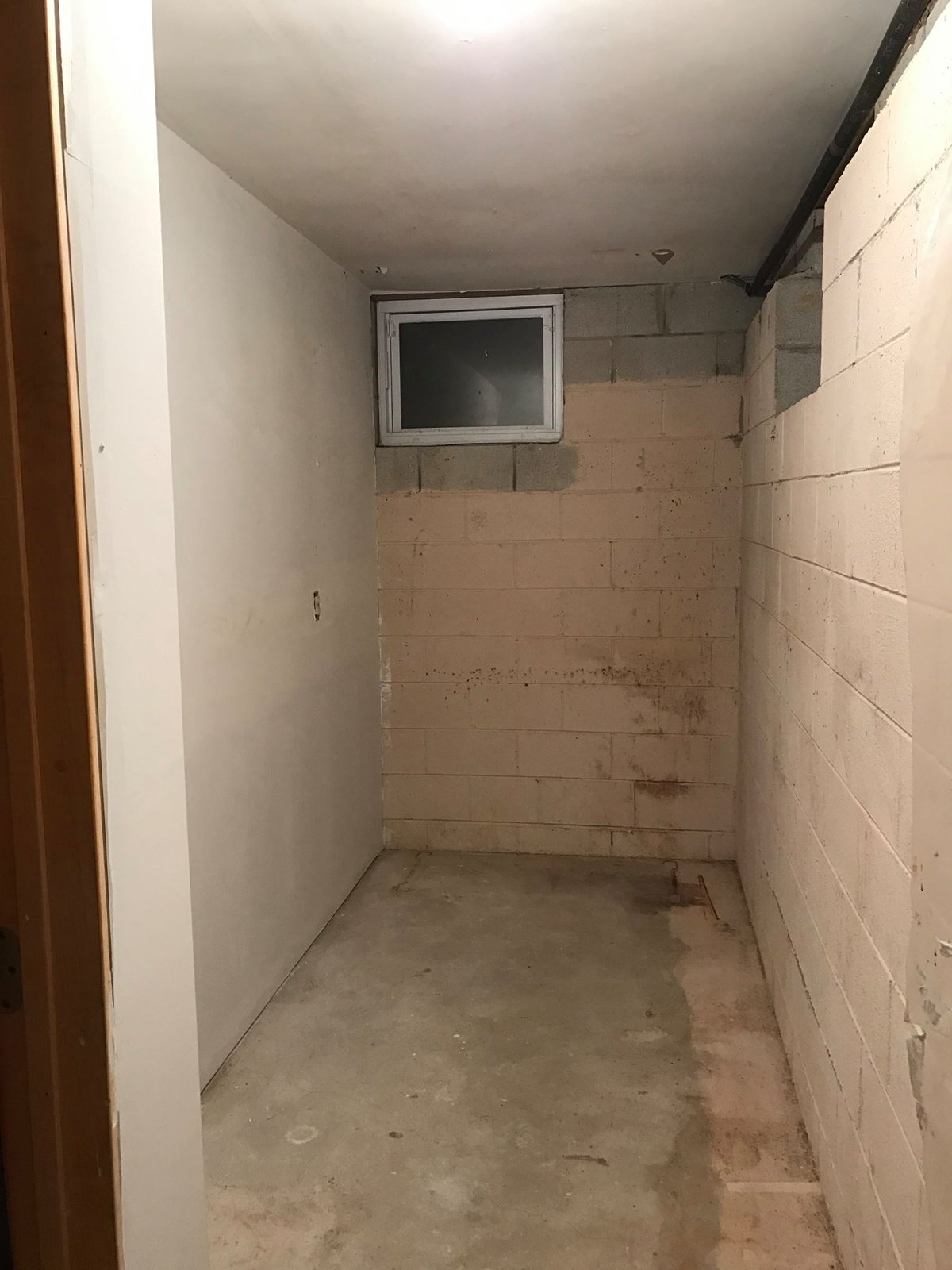 Before
 Block walls, slab floor, egress window. Decided early I wasn't going to frame this side — just clean it up.
-
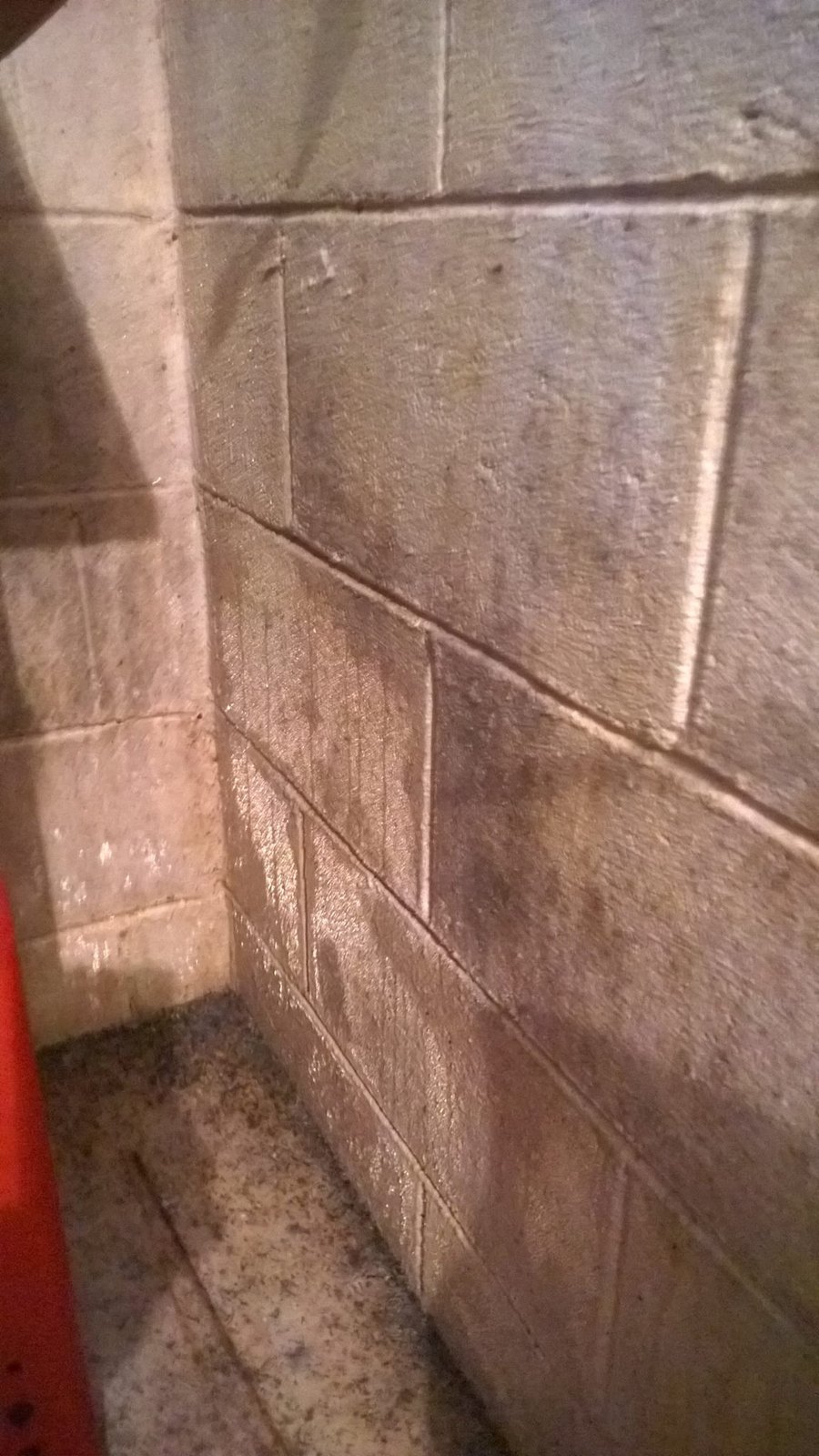 Before
 This corner was the reason. Wet block, staining. Drywall over it would've rotted in two years.
-
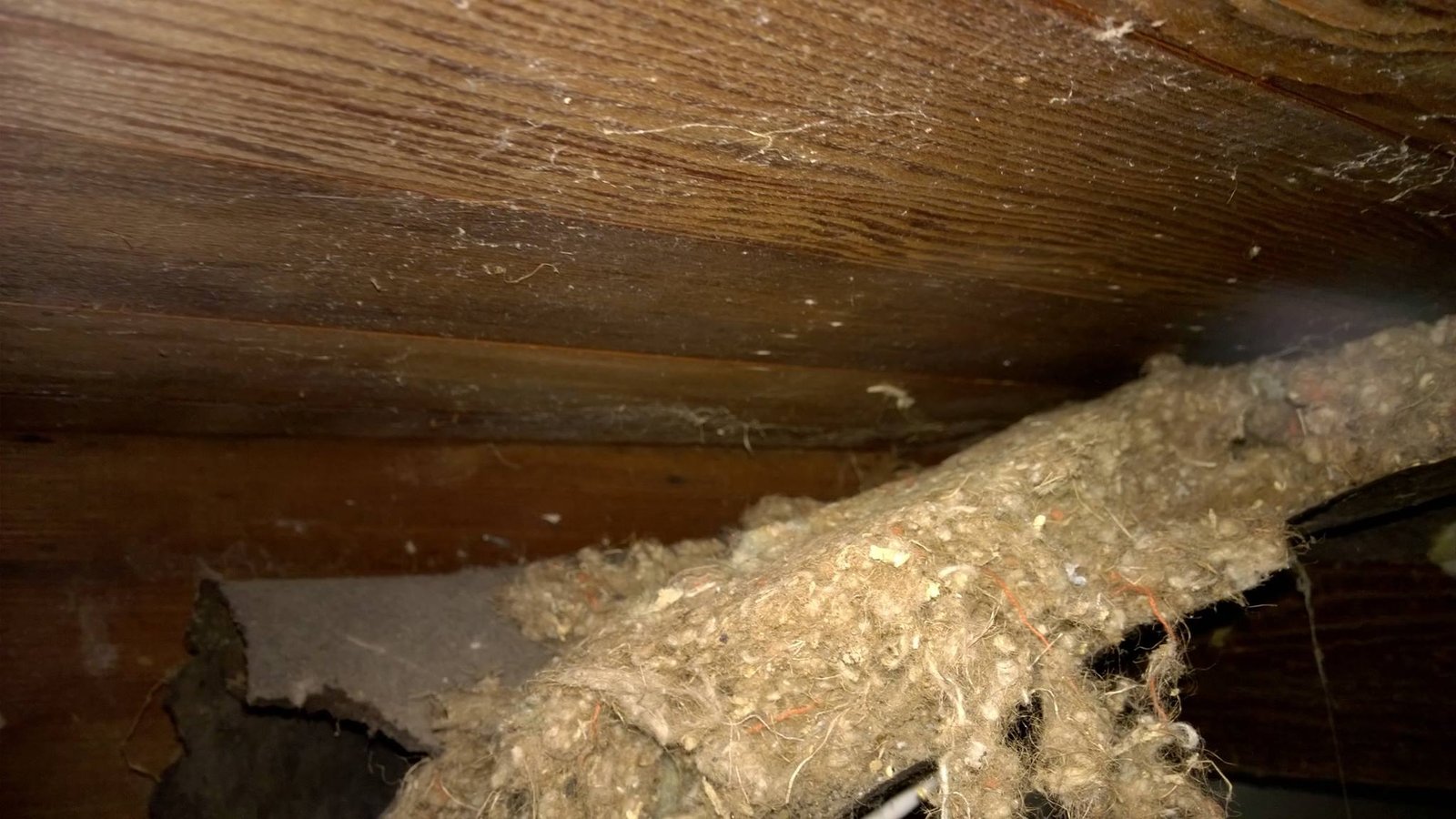 Before
 Crawlspace insulation was full of dust and cobwebs. Pulled what I could reach and re-batted from below.
-
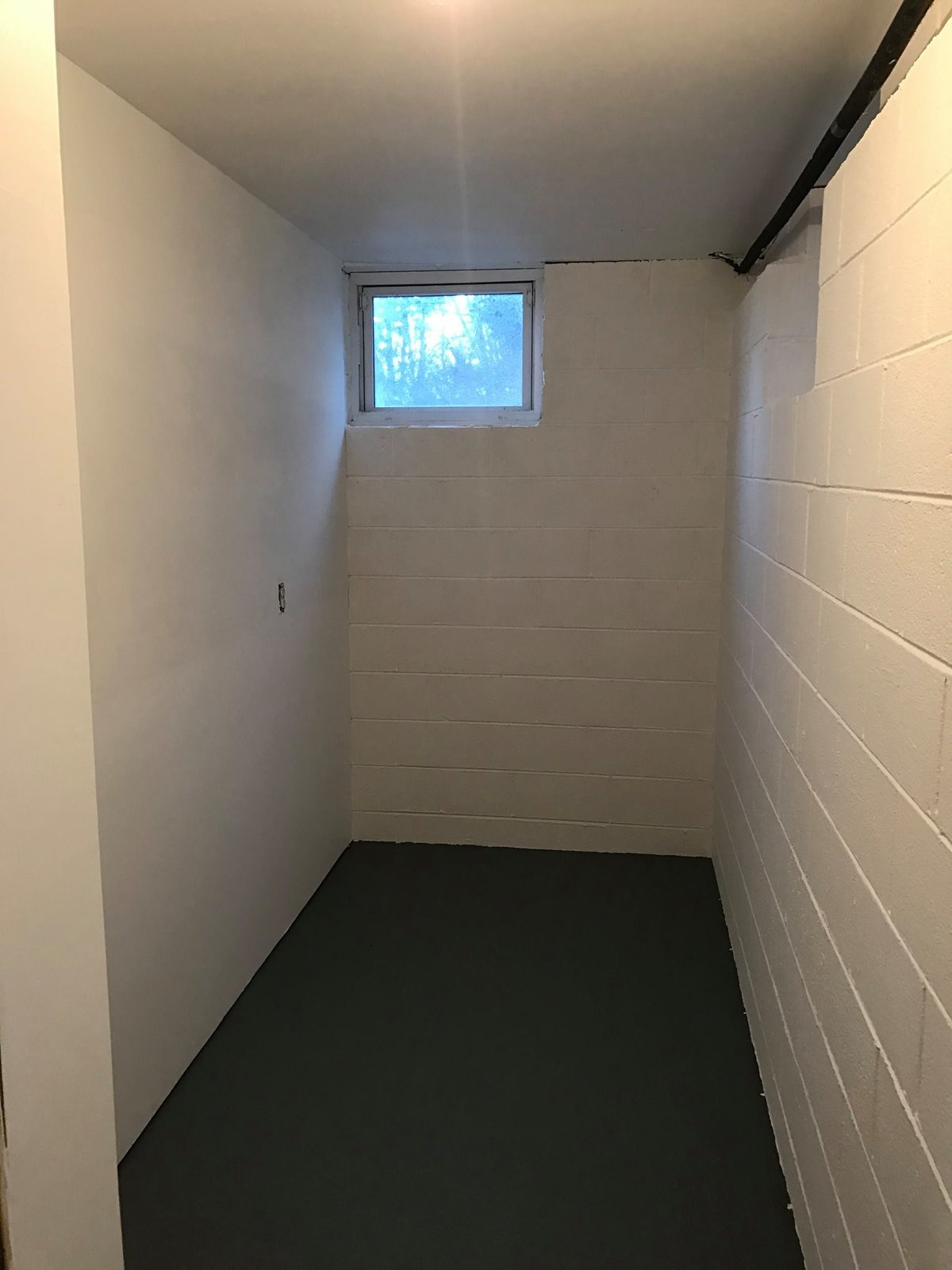 After
After Painted the block white and sealed the slab gray. Bright, dry, and the moisture has somewhere to go.
-
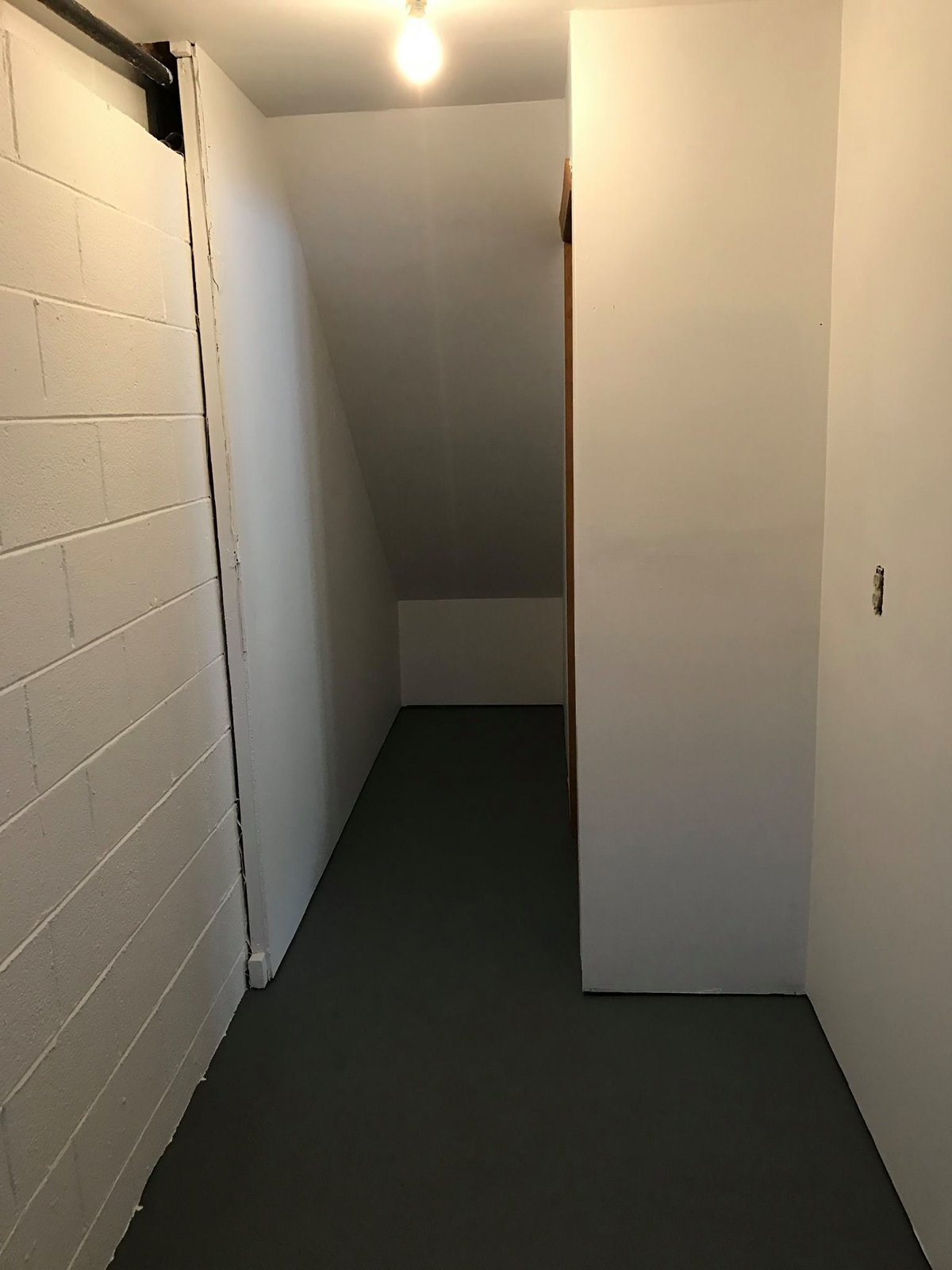 After
After Under-stairs got the same paint-and-seal treatment. Now it's actual usable storage instead of a damp triangle.
-
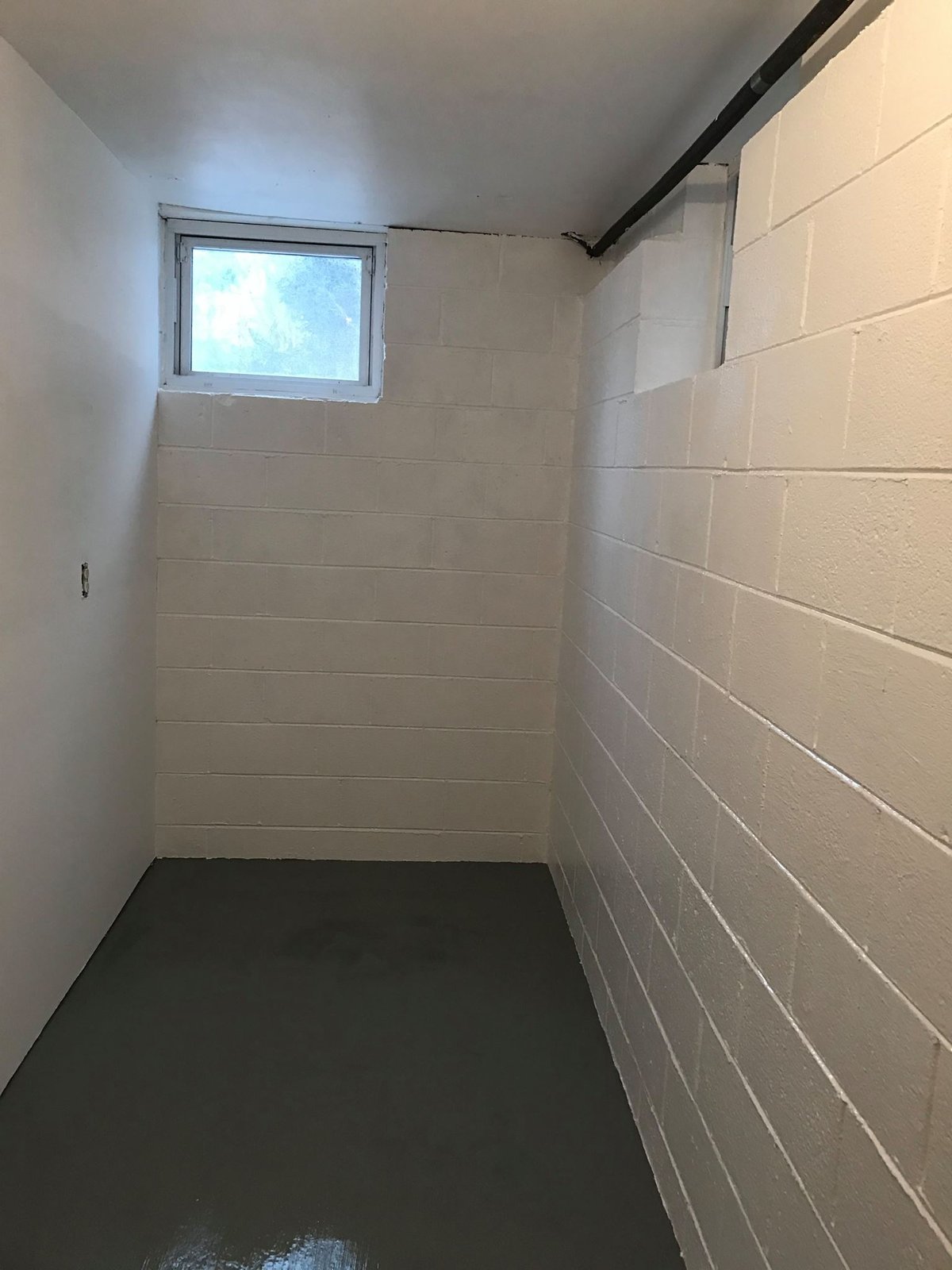 After
After Other side of the block room, same finish. Not fancy — but dry, clean, and easy to keep that way.
Want a Plan for Your Project?
Send photos and a few sentences. I'll send back a written diagnostic — what's broken, what it'll cost, and what to DIY vs. hire. $19.99, in your inbox in minutes.
Get a Diagnostic Report — $19.99 →